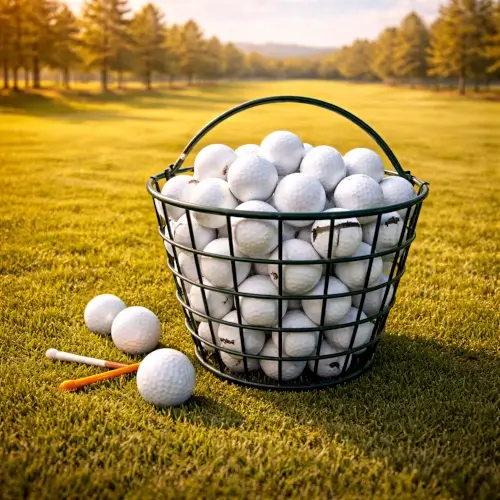
Best Golf Balls for Beginners in 2026: Top Picks Compared
Choosing the best golf balls for beginners is one of the most overlooked decisions a new golfer makes — yet it directly affects distance, accuracy, and how fast you improve. The right ball suits your swing speed, stays straight despite off-centre contact, and won't empty your wallet when you find a water hazard. This guide covers everything you need to know: what to look for, which balls to buy, and how to stretch your budget without sacrificing performance.
Best Beginner Golf Balls: Quick Picks
- Best overall: Titleist TruFeel — low compression, soft feel, tour brand credibility
- Best for distance: Callaway Supersoft — ultra-low 35 compression, maximises carry
- Best budget pick: Srixon Soft Feel — ~$15–$18/dozen, punches well above its price
- Best step-up ball: TaylorMade Soft Response — 3-piece for beginners nearing mid-handicap
- Ideal compression for beginners: 35–70 (swing speeds under 90 mph)
- Average balls lost per round: 3–6 for beginners (National Golf Foundation)
- Construction to prioritise: 2-piece, surlyn or ionomer cover
What Is a Beginner Golf Ball?
A beginner golf ball is a two-piece, low-compression ball engineered to maximise distance and durability at moderate swing speeds, while keeping costs low enough that losing a few per round doesn't sting. Unlike tour-grade balls designed for professional spin control, the best golf balls for beginners prioritise straight flight, resilience against mishits, and a soft feel that provides honest feedback through the club.
The design philosophy behind a good beginner ball is straightforward: reduce sidespin, compress correctly at slower swing speeds, and survive the inevitable cart-path encounters. Two key specifications separate beginner balls from tour balls — compression rating and cover material. Beginners need a compression of 35–70 (compared to 90+ for tour balls) and a surlyn or ionomer cover rather than the urethane used on premium models.
According to the National Golf Foundation, the average beginner loses 3–6 balls per round. At $5 per ball for a tour model, that adds up to $30 or more in losses every 18 holes. A quality beginner ball costs around $1.50 per ball and performs better at a beginner's swing speed — making the choice both financially and practically obvious.
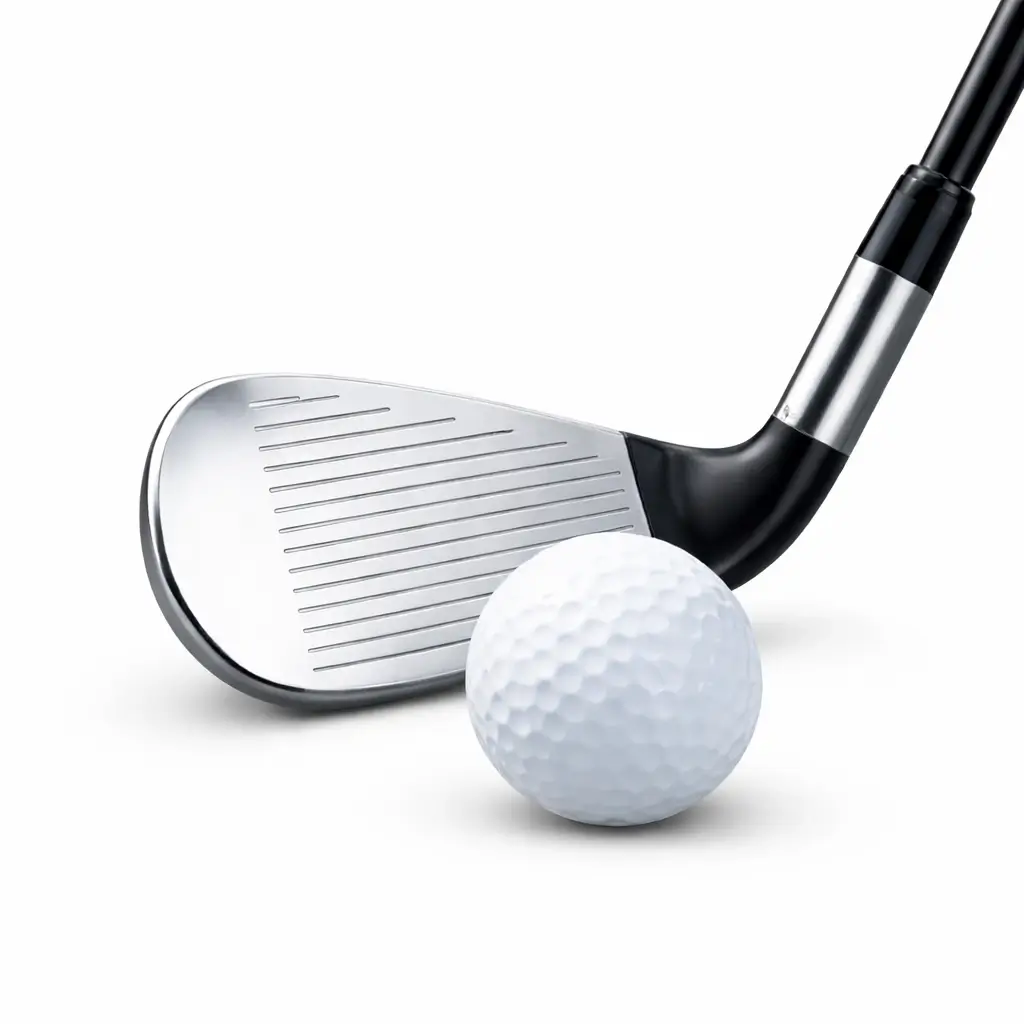
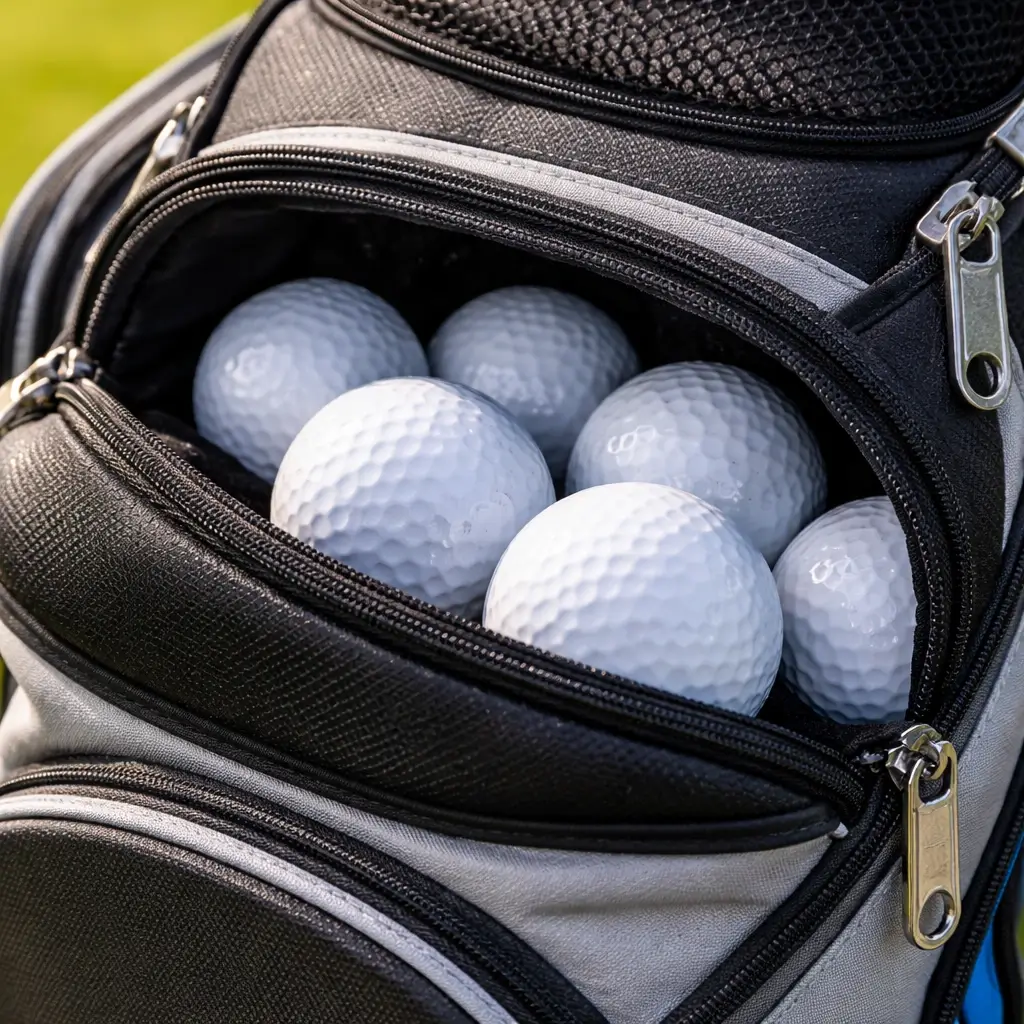
Why Does Golf Ball Choice Matter for Beginners?
Many new golfers assume all golf balls perform roughly the same. In practice, golf ball construction has a measurable impact on distance, trajectory, spin, and feel — all of which interact differently depending on your swing speed and skill level.
Tour balls with urethane covers generate high greenside spin, which is a valuable weapon when you can reliably execute chip and pitch shots. For a beginner, however, high spin amplifies errors. A slight pull becomes a pronounced hook. A glancing blow off the toe becomes a wide slice. The wrong ball actively makes your game harder at the stage when you need every advantage you can get.
Conversely, a low-compression ball matched to your swing speed compresses correctly at impact, transferring energy efficiently and launching it straighter and further. As HobbyZHQ's guide to best golf clubs for beginners explains, equipment matched to your skill level is the fastest way to build confidence early in your golf journey — and the ball is no exception.
What Should Beginners Look for in a Golf Ball?
Before comparing specific models, it helps to understand the four factors that determine whether a ball suits a beginner. Get these right and most of the shortlisted options will serve you well.
Compression Rating
Compression describes how much a ball deforms on impact. Low-compression balls (rating 35–70) compress easily at slower swing speeds, producing better energy transfer and more distance. High-compression balls (90+) require the fast swing speeds found in experienced and tour-level players to work effectively. Most beginners swing a driver at 60–85 mph — well below the threshold where high compression becomes useful.
Cover Material
Golf ball covers fall into two main categories: surlyn/ionomer and urethane. Surlyn covers are harder, cut-resistant, and cheaper to manufacture. They reduce spin off the driver and irons — which, for a beginner, is a benefit rather than a drawback. Urethane covers are soft and grippy, generating the high spin that tour players exploit around the greens. Until you are consistently breaking 90, surlyn or ionomer is the correct choice.
Construction — Number of Pieces
Two-piece balls (solid core + cover) are the standard for beginners. They are the most durable and offer the best distance at moderate swing speeds. Three-piece and four-piece balls add mantle layers for spin separation — genuinely useful for players who can control their short game, but unnecessary complexity for those still working on making consistent contact.
Price Per Ball
Budget discipline matters at the start. Quality beginner balls cost between $1.20 and $1.80 per ball when bought by the dozen. Multi-pack purchases and Grade A lake ball bundles can reduce this further. There is no performance benefit to spending more than $2.50 per ball until you are playing to a handicap below 18.
The Best Golf Balls for Beginners in 2026: Top Picks Compared
The following balls represent the strongest options for beginners in 2026, selected based on compression rating, cover durability, distance performance, and value for money. All prices reflect typical US retail at time of writing.
| Ball | Compression | Cover | Pieces | Best For | Price (Dozen) |
|---|---|---|---|---|---|
| Titleist TruFeel | 60 | TruFlex (surlyn) | 2 | Best overall feel and distance | ~$22 |
| Callaway Supersoft | 35 | Tri-onomer | 2 | Maximum distance, very slow swings | ~$22 |
| Srixon Soft Feel | 60 | Ionomer | 2 | Best budget everyday ball | ~$16 |
| TaylorMade Soft Response | 35 | Soft ionomer | 3 | Step-up ball, developing short game | ~$22 |
| Wilson Staff Fifty Elite | 50 | Ionomer | 2 | Lowest-cost new ball | ~$15 |
| Titleist DT TruSoft | 60 | Surlyn | 2 | Consistent ball flight, all skill levels | ~$20 |
Beginner Golf Ball Reviews: Our Top Picks Explained
1. Titleist TruFeel — Best Overall
The Titleist TruFeel is the gold standard for beginner golf balls, and has been a consistent top recommendation from Golf Monthly, GolfMagic, and MyGolfSpy year after year. Its 60-compression core pairs with Titleist's proprietary TruFlex cover to deliver a soft, responsive feel without sacrificing durability. It launches high off the tee with minimal sidespin — keeping more shots in play — and holds up well against cart paths, rough terrain, and the general punishment of a beginner round. At around $22 per dozen, it offers genuine tour-brand quality at a price point that doesn't sting when you find a water hazard.
2. Callaway Supersoft — Best for Distance
With an ultra-low compression rating of just 35, the Callaway Supersoft is specifically engineered for golfers with slow-to-moderate swing speeds who want to maximise carry distance. Its Tri-onomer cover provides a soft landing feel on approach shots while remaining resilient in play. Independent testing by MyGolfSpy has consistently ranked the Supersoft among the top performers for distance at swing speeds below 80 mph, making it the first choice for beginners whose priority is getting the ball further down the fairway. It is also one of the most widely available beginner balls in retail stores and pro shops.
3. Srixon Soft Feel — Best Budget Pick
At around $16 per dozen, the Srixon Soft Feel delivers performance that consistently punches above its price. The 60-compression core suits most beginner swing speeds, and the ionomer cover is robust enough to survive the inevitable encounters with trees, cart paths, and bunker lips. Srixon's 338-dimple aerodynamic pattern promotes a penetrating, stable ball flight that helps beginners produce more consistent shot shapes. If you are buying multiple dozen to stock up for a full season, the Soft Feel is the smartest spend available in the beginner category.
4. TaylorMade Soft Response — Best Step-Up Ball
The TaylorMade Soft Response bridges the gap between pure beginner options and mid-handicap performance. Its three-piece construction adds a reactive core that provides noticeably more feedback and greenside feel than two-piece alternatives — useful for beginners already working on chip shots and pitch control. It costs roughly $22 per dozen, placing it in the same price bracket as the Titleist TruFeel but with a slightly more advanced design. Consider this ball once you are regularly scoring in the 90s and want a bit more nuance from your equipment around the greens.
5. Wilson Staff Fifty Elite — Best Ultra-Budget Pick
For beginners who lose balls frequently and want to keep costs as low as possible, the Wilson Staff Fifty Elite at around $15 per dozen is hard to beat. The 50-compression two-piece construction handles moderate swing speeds adequately, and while it will not match the Titleist or Callaway models in outright feel, it is entirely functional for learning the game. Wilson has been manufacturing golf balls for over a century, and the Fifty Elite is a dependable, no-frills option for anyone building their game on a tight budget. Buy a box of 24 and play without hesitation on courses with water hazards.
How Do I Choose the Right Golf Ball as a Beginner?
The right ball depends on your swing speed, how often you play, and what you want to prioritise. Follow these steps to narrow down the correct choice for your game.
- Estimate your swing speed. If you do not have a launch monitor reading, use your driver carry distance as a guide. Carrying the ball around 200 yards typically indicates a swing speed of approximately 80 mph; 150 yards suggests around 65 mph. Most beginners fall in the 60–85 mph range, pointing clearly toward low-compression options.
- Match compression to swing speed. Swing speeds under 80 mph pair best with compressions between 35 and 55 — the Callaway Supersoft or TaylorMade Soft Response are ideal. Swing speeds of 80–90 mph suit compressions of 55–70, making the Titleist TruFeel or Srixon Soft Feel the correct bracket. Avoid any ball above 80 compression until you are consistently hitting over 90 mph.
- Choose a two-piece, surlyn-covered ball. Until you are breaking 90 regularly, two-piece construction gives you the best combination of distance and durability. Avoid urethane-covered balls entirely — the extra spin will amplify your mishits rather than reward good shots.
- Set a per-dozen budget and stick to it. Allocate no more than $25 per dozen. At this price point, every top beginner option listed above is accessible. Spending $45–$55 per dozen on a Pro V1 or TP5 provides zero performance benefit for the vast majority of new players — and makes every lost ball feel like a small financial loss.
- Consider Grade A lake balls for bulk play. Graded lake balls recovered from water hazards can save 50–70% versus buying new. Stick to Grade A (mint condition) and you are playing a ball that performs virtually identically to its new equivalent. Grade B is acceptable for casual rounds; Grade C should be avoided entirely.
- Use one ball model consistently throughout a season. Switching between different ball models disrupts your ability to calibrate distance and feel. Pick one option from the list above and commit to it for a full season before reassessing. Consistency in equipment is one of the simplest ways to speed up improvement.
- Reassess after 6–12 months of regular play. Once your handicap drops below 18 and your swing speed climbs above 90 mph, revisit your ball choice. At that point a three-piece ball or a mid-compression model may better match your developing game and short-game skills.
Tips for Getting the Most from Your Golf Balls
- Mark your ball before every round. Use a permanent marker to add a unique dot, initial, or pattern. This avoids slow-play disputes and penalties for playing the wrong ball — a surprisingly common issue for beginners who don't mark.
- Keep balls at room temperature. Cold golf balls lose compression and distance. On cold mornings below 10°C (50°F), store a spare sleeve in your jacket pocket rather than the bottom of your bag. You will notice a meaningful difference in carry distance by the time you reach the second tee.
- Clean your ball on every green. Dirt and mud on the ball's surface creates unpredictable knuckling in flight. Most courses allow ball-cleaning on the putting surface — always take advantage of it. It takes 10 seconds and meaningfully improves accuracy on approach shots.
- Don't obsess over brand prestige. At beginner level, compression and construction matter far more than the logo. A Srixon Soft Feel will outperform a Pro V1 in the hands of most beginners — the Pro V1's high spin works against an inconsistent swing.
- Inspect your ball after every hole. A visible cut, deep scuff, or deformation on the cover affects flight. If a ball is visibly damaged, retire it mid-round rather than continuing to play it. Damaged balls provide misleading distance feedback during your learning phase.
- Practise with the same ball you play with. Range balls are typically harder and lower-compression than course balls, creating inconsistent distance references. When you practise with personal balls on short game areas, your calibration on the course becomes far more accurate.
- Buy in bulk before the season starts. Stocking up with two or three dozen at once means you are never scrambling before a round. It also reduces the cost per ball when buying multi-packs, and many retailers offer seasonal bundle deals in spring.
Is Buying Used Golf Balls (Lake Balls) Worth It for Beginners?
Lake balls — recovered from water hazards on golf courses and resold — are a completely legitimate option for beginners, particularly those playing several rounds per week and losing balls regularly. The key is understanding the grading system used by suppliers, which varies slightly between retailers but broadly follows this structure:
| Grade | Condition | Performance Impact | Typical Price (Dozen) |
|---|---|---|---|
| Mint / Grade A | Virtually no visible wear, original finish | Negligible — plays like new | $8–$15 |
| Grade B | Minor scuffs, light discolouration | Minimal — slight feel difference | $5–$10 |
| Grade C | Visible cuts, faded logos, cart path marks | Noticeable — unpredictable flight | $3–$6 |
For beginners, Grade A lake balls are an excellent choice — particularly premium models like the Pro V1 or TaylorMade TP5 that become available after experienced players discard them after a single round. You get a high-quality ball at a fraction of retail price. Grade B is acceptable for low-stakes practice rounds. Grade C balls should be avoided entirely, as physical damage to the cover causes aerodynamic inconsistency that creates confusing feedback during your development.
Reliable US suppliers of graded lake balls include LostGolfBalls.com, Golf Ball Monkey, and Amazon's resale marketplace. Always check the individual retailer's grading definition before purchasing, as standards vary slightly between suppliers.
How Much Should a Beginner Spend on Golf Balls?
Golf balls are a recurring cost rather than a one-time purchase, which makes the per-ball price especially important to manage from the start. Here is a realistic breakdown of what to budget for golf balls at different stages of the game.
| Stage | Recommended Ball | Approx. Cost per Dozen | Approx. Monthly Cost (2 rounds/week) |
|---|---|---|---|
| Complete beginner (first 3 months) | Wilson Fifty Elite or Grade A lake balls | $12–$15 | $20–$35 |
| Developing beginner (3–12 months) | Srixon Soft Feel or Callaway Supersoft | $16–$22 | $25–$45 |
| Improving player (handicap 20–28) | Titleist TruFeel or TaylorMade Soft Response | $20–$25 | $30–$50 |
| Mid-handicapper (handicap 10–20) | Titleist Tour Soft or Bridgestone e6 | $28–$35 | $35–$60 |
For context, spending $25 per dozen versus $50 per dozen saves the average beginner $200–$400 over a full season of play — money far better invested in lessons, green fees, or a better fitting set of beginner golf clubs.
Frequently Asked Questions About Beginner Golf Balls
What is the best golf ball for a beginner?
The best golf balls for beginners in 2026 include the Titleist TruFeel (best overall), the Callaway Supersoft (best for maximum distance), and the Srixon Soft Feel (best budget pick). All three are two-piece, low-compression balls designed to fly straighter and feel softer at the moderate swing speeds typical of new players, while being durable enough to survive mishits.
Does the type of golf ball really matter for beginners?
Yes — but not in the way most beginners expect. Tour balls with urethane covers generate high spin that amplifies slices and hooks in players who lack a consistent swing. A low-compression, surlyn-covered two-piece ball reduces sidespin, flies straighter, and costs far less per dozen. Using the right ball for your skill level directly affects distance, accuracy, and how quickly you improve.
How many golf balls does a beginner need per round?
According to the National Golf Foundation, beginners lose an average of 3–6 balls per round, with water hazards and dense rough being the primary culprits. Buying in bulk — a box of 24 or a lake ball bundle — is the most cost-effective approach. Keep at least two dozen in your bag before teeing off to avoid running short on longer courses.
Are lake balls (used golf balls) worth buying for beginners?
Grade A lake balls are an excellent option for beginners, offering savings of 50–70% compared to buying new. Balls graded mint or near-mint show minimal wear and perform very close to new balls of the same model. Avoid Grade C or lower — visible cuts and scuffs on the cover cause unpredictable flight and inconsistent distance, which is the opposite of what a beginner needs.
What is the difference between a 2-piece and 3-piece golf ball?
A 2-piece ball uses a solid rubber core and a single outer cover — prioritising distance, durability, and straight flight. A 3-piece ball adds a mantle layer between core and cover, generating more spin and greenside feel. Beginners almost always benefit from a 2-piece ball: the extra spin of a 3-piece design amplifies mishits before a consistent swing has been developed.
Should beginners use soft or hard golf balls?
Beginners should use soft golf balls with a compression rating of 35–70. Softer balls compress correctly at the slower swing speeds — typically 60–85 mph — that characterise new players, producing better energy transfer and more distance. Hard, high-compression balls are engineered for swing speeds above 95 mph and will feel harsh and fly shorter in a beginner's hands.
You May Also Be Interested In
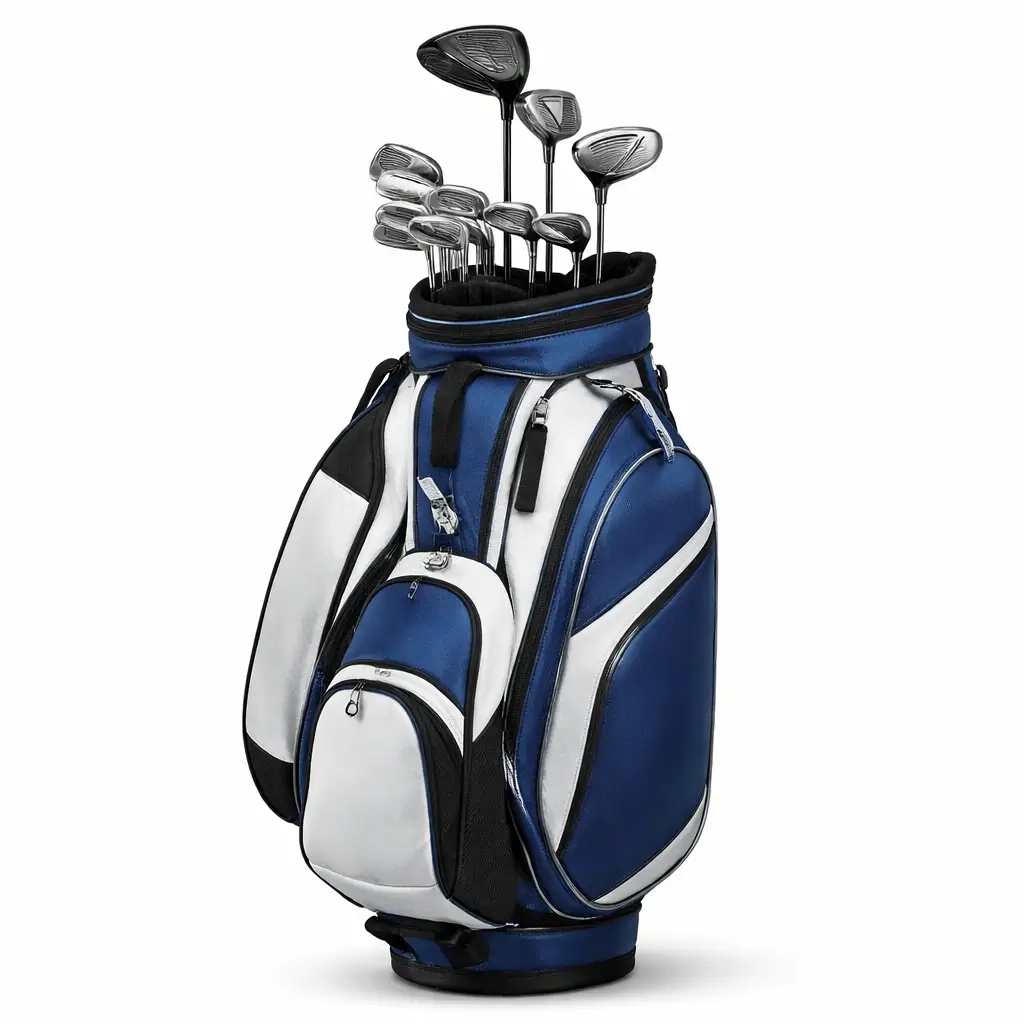
Best Golf Clubs for Beginners: Top Sets Compared
Find the right beginner club set for your budget — from the Callaway Strata to the Callaway XR premium package, with a full price and features breakdown.
Read the full guide
Best Budget Golf Sets in 2026
Once you know which ball to buy, find your ideal set to match — the top complete packages under $400 compared by brand, value, and what’s included.
Read the full guide
How Much Does Golf Cost? Complete Beginner's Cost Guide
Green fees, memberships, lessons, gear — a full first-year cost breakdown so you know what to budget before you start.
Read the full guide