Best Golf GPS Watches in 2026: Top Models Compared
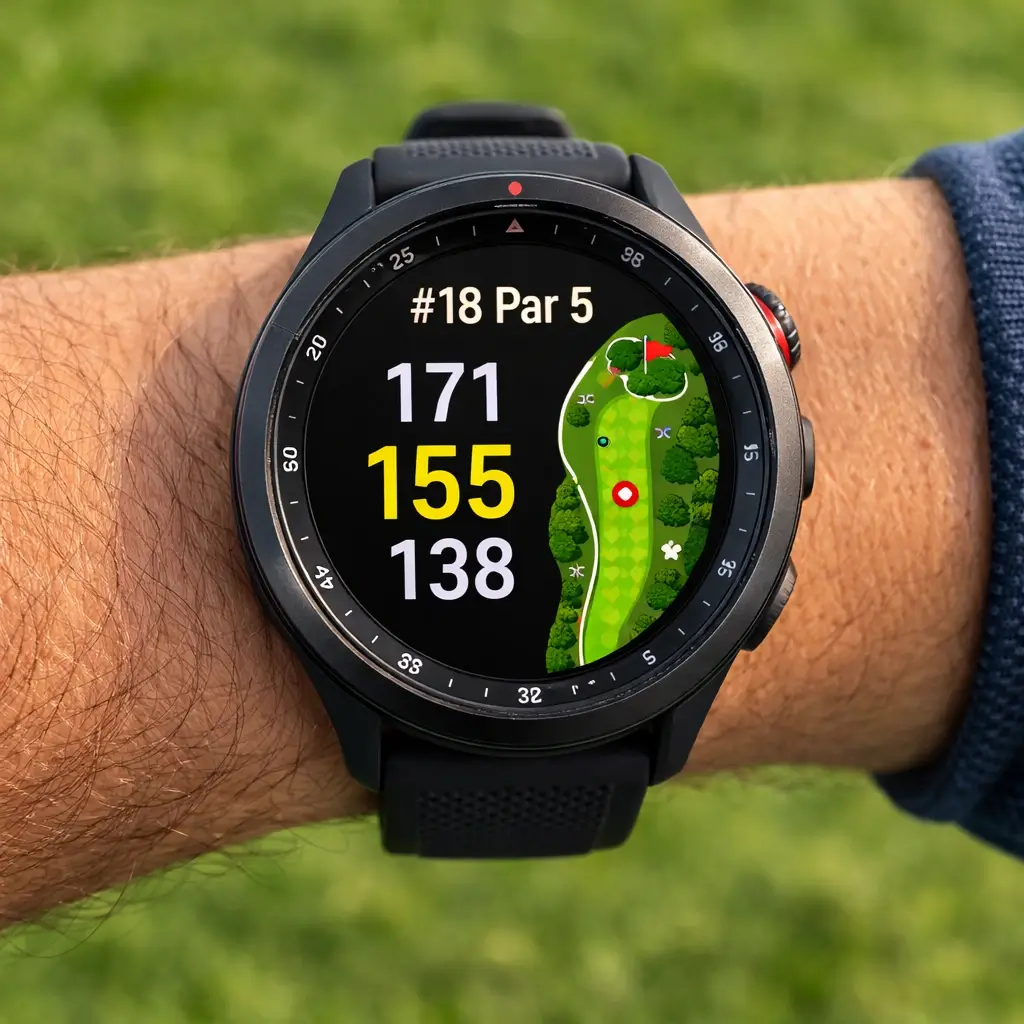
The best golf GPS watches give you instant yardages to every hazard and the green — all from a quick glance at your wrist. Whether you're a beginner who wants to know how far the bunker is, or a single-digit handicapper tracking every shot automatically, there is a GPS watch built for your game. This guide compares the top golf GPS watches of 2026 across all budgets, covering accuracy, battery life, course coverage, and which features actually matter on the course.
Best Golf GPS Watches 2026: Quick Picks
- Best overall: Garmin Approach S70 — AMOLED touchscreen, 42,000+ courses, green contour mapping
- Best premium: Garmin Approach S62 — full-colour mapping, Virtual Caddie club recommendation
- Best mid-range: Garmin Approach S42 — lightweight, 15-hour GPS battery, clean interface, ~$200
- Best value: Bushnell Ion Elite — simple yardages, bright display, ~$150–$180
- Best for shot tracking: Shot Scope V5 — automatic shot detection, 16-hour GPS battery, ~$220–$250
- Entry price point: From around $150–$200 for a capable golf GPS watch
- GPS accuracy: Most top models accurate to within 2–5 yards; laser rangefinders accurate to within 1 yard
What Is a Golf GPS Watch and How Does It Work?
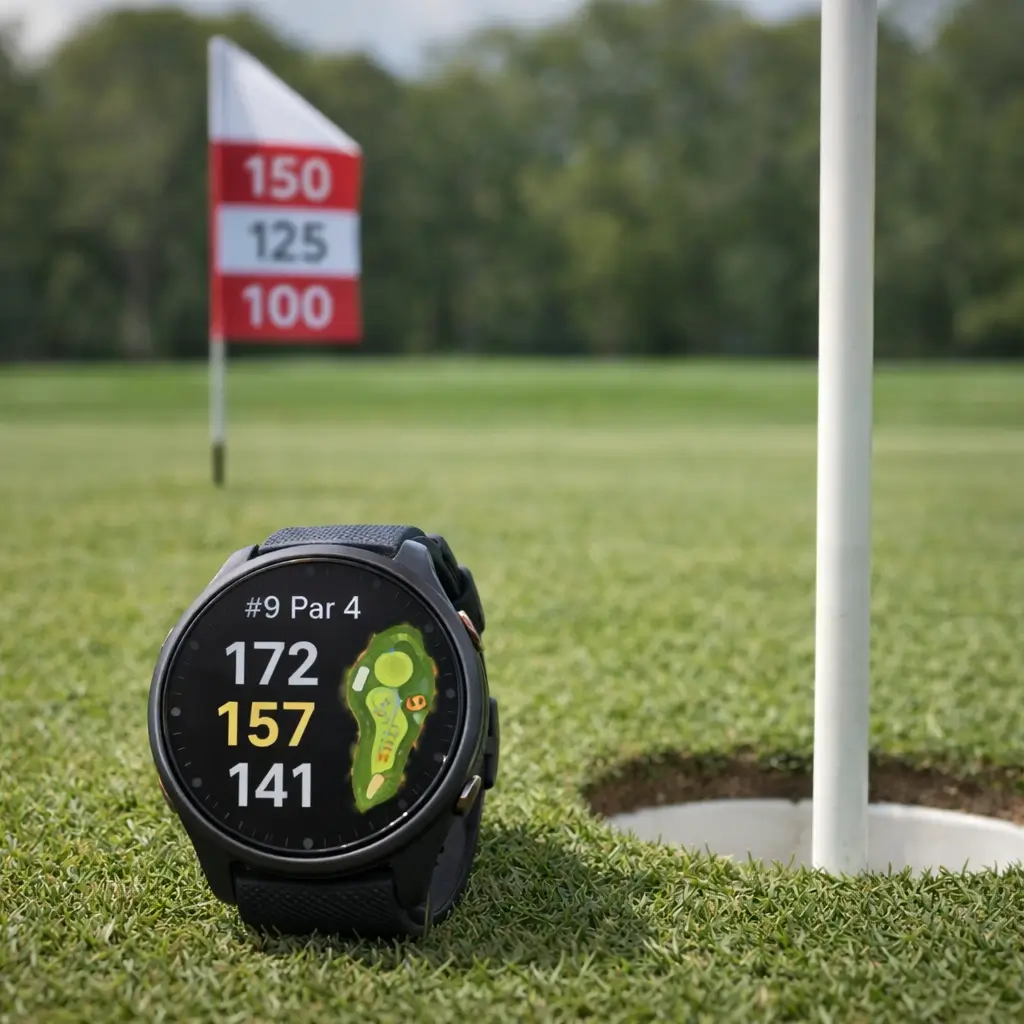
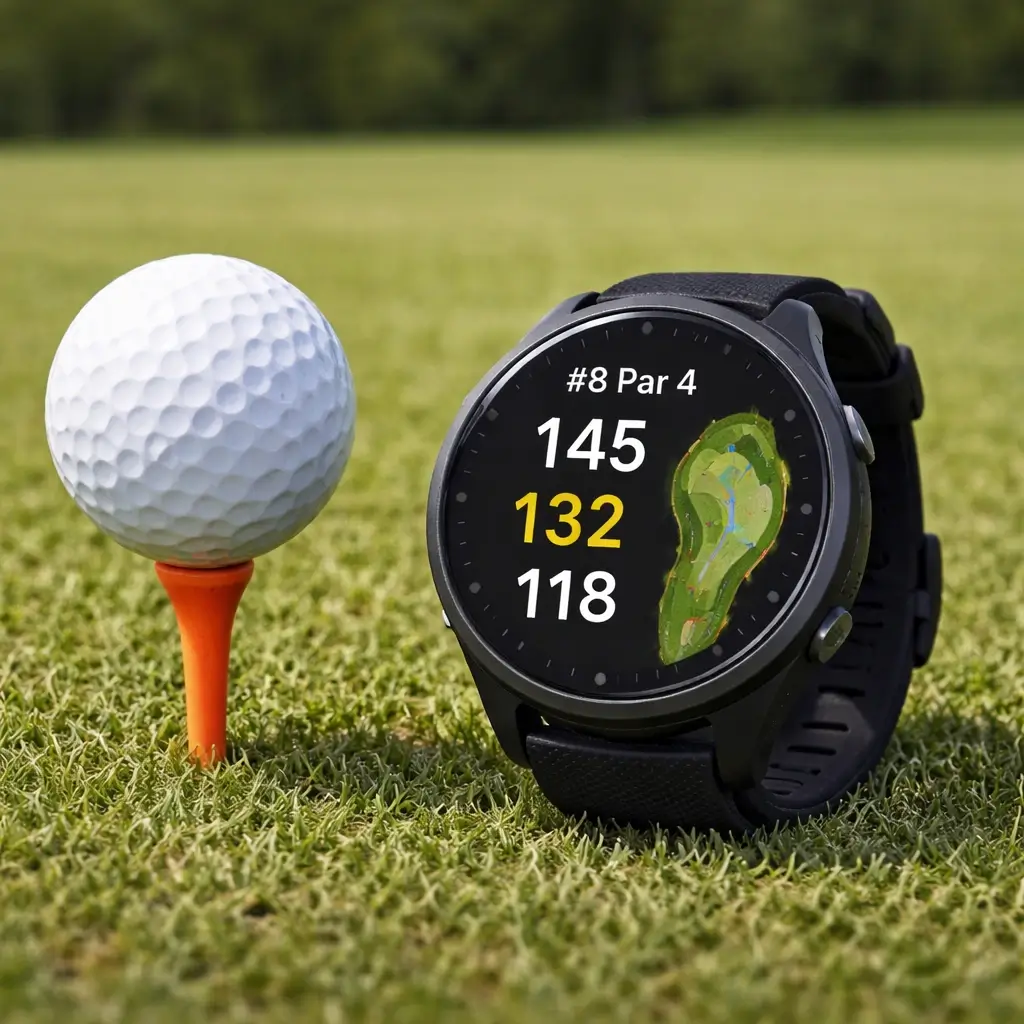
A golf GPS watch is a wearable device that uses satellite positioning to display real-time distance data on a golf course. Unlike a laser rangefinder, which requires you to point a device at a specific target, a golf GPS watch provides automatic yardages — typically to the front, middle, and back of the green — the moment you walk onto each hole. Most models also show distances to hazards, bunkers, and layup markers, along with a simplified overhead view of the hole layout.
The technology works by pairing GPS satellite data with a preloaded database of course maps. As of 2026, leading brands like Garmin and Bushnell include maps for over 40,000 courses worldwide, covering every major golfing country. According to a 2024 Golf Datatech survey, GPS watches are now used by more than 35% of regular golfers in the United States — making them the most widely adopted distance-measuring device category, ahead of handheld GPS units and roughly level with laser rangefinders.
HobbyZHQ covers GPS watches as part of our broader golf beginner guide. If you are still building your equipment kit, our best golf clubs for beginners guide is the natural starting point before adding technology to your game.
What Should You Look for in a Golf GPS Watch?
The best golf GPS watch for you depends on how you play, how much data you want, and whether you intend to wear it as an everyday watch as well. Several core features separate a genuinely useful golf GPS watch from one that looks good but underdelivers on the course.
Course coverage is the single most important specification. A watch with a database of 40,000+ courses — including regularly updated layouts — ensures you'll always have accurate maps, even at unfamiliar venues. Garmin leads this category, offering over 42,000 downloadable courses at no ongoing cost through the Garmin Connect app.
Hazard and layup distances matter enormously for course management. Knowing the carry distance to a fairway bunker — not just the flag — is often the difference between a smart decision and a costly mistake. The best mid-range models include this, while budget GPS watches sometimes show only front/middle/back green distances.
Battery life in GPS mode should comfortably exceed a full 18-hole round — typically 4.5 to 5.5 hours of active play. Any watch rated above 10 hours in GPS mode will handle a round without concern. Be cautious with models that quote only "smartwatch mode" battery life, which is measured with GPS switched off.
Shot tracking is a premium feature that automatically records each shot's location and distance using the watch's GPS, then generates a post-round stats breakdown. Shot Scope specialises in this and includes it as a core feature rather than an optional extra. Garmin offers shot logging on higher-tier models, while basic GPS watches do not include it.
Wearability off the course matters if you want one watch for everything. Models like the Garmin Approach S70 function as capable everyday smartwatches with fitness tracking, notifications, and contactless payments. More golf-specific designs like the Bushnell Ion Elite are optimised purely for course use and are less suited as daily wear.
The Best Golf GPS Watches in 2026
The watches below represent the strongest performers across different budgets and use cases, based on independent testing by Golf Monthly, GolfMagic, Today's Golfer, and MyGolfSpy throughout 2025 and 2026.
1. Garmin Approach S70 — Best Overall
The Garmin Approach S70 is the standout golf GPS watch of 2026, combining an always-on AMOLED touchscreen display with the most comprehensive course data available in a wrist-worn device. It provides front, middle, and back yardages, precise hazard distances, a full hole map on screen, and green contour mapping — a feature that shows the slope and break of the putting surface before you even reach the green. Golf Monthly's 2026 GPS watch test awarded it the highest overall score, noting the display remains clearly visible in direct sunlight without needing to shade the screen. The S70 also functions as a full smartwatch with health tracking, GPS activity recording, and contactless payments via Garmin Pay. Battery life is approximately 20 hours in GPS golf mode — enough for back-to-back rounds with power to spare. Pricing sits at around $500, placing it firmly in the premium tier but justifying the investment for committed golfers who want a daily-wear device too.
2. Garmin Approach S62 — Best Premium Watch with Virtual Caddie
The Garmin Approach S62 offers one of the most comprehensive golf GPS feature sets available at its price point, including a full-colour touchscreen, PinPointer (which points toward the green when it's not visible from your location), and Garmin's Virtual Caddie mode — which analyses wind, slope, and your personal shot history to recommend a club for each shot. Today's Golfer described the S62 as one of the most complete golf GPS watches on the market in terms of actionable on-course guidance. It covers 42,000+ courses, includes hazard and layup distances, and tracks up to 40 shots per round automatically. Battery life is rated at 20 hours in GPS mode. At around $350–$400, it represents serious investment but delivers a level of on-course intelligence that genuinely justifies the cost for data-driven golfers.
3. Garmin Approach S42 — Best Mid-Range
The Garmin Approach S42 hits the sweet spot between capability and cost, delivering the core features most golfers actually use — front, middle, and back yardages, hazard distances, and a clean hole overview map — in a lightweight, comfortable design. GolfMagic's independent test found the S42 to be one of the easiest GPS watches to read mid-round, noting that its simple interface reduces time spent staring at your wrist and gets you back to your pre-shot routine faster. It covers 42,000+ courses, includes a shot distance measurement feature activated by a button tap, and offers a GPS battery life of approximately 15 hours. At around $200, the Approach S42 is HobbyZHQ's recommended starting point for most golfers — capable enough to last several years, without the premium price of higher-spec models.
4. Bushnell Ion Elite — Best Value
Bushnell has long been synonymous with premium laser rangefinder technology, and the Ion Elite brings that accuracy-focused ethos to a GPS watch at a compelling price. It provides front, centre, and back distances plus distances to up to four hazards per hole, covering more than 38,000 preloaded courses. The display is notably bright and easy to read in varying light conditions — a common weakness in some competing models at this price point. Battery life in GPS mode is one of the longest in the sub-$200 category at approximately 18 hours. The Bushnell Ion Elite lacks the shot-tracking and smartwatch features of higher-end Garmin models, but for golfers who simply want reliable, clear yardages at a fair price, it is one of the best-value GPS watches available in 2026. Typical pricing sits at $150–$180.
5. Shot Scope V5 — Best for Shot Tracking and Statistics
Shot Scope is a Scottish company that has built its reputation entirely on automatic shot tracking — the ability to record every shot on the course without any manual input between holes. The V5 uses eight GPS sensors across the watch combined with a set of small club tags (included in the box) to detect each shot automatically and build a detailed statistical picture of your round. Post-round, you can review where every shot landed, average distances per club, proximity to the hole from various ranges, and trends across multiple rounds over a season. For golfers who want to identify genuine weaknesses — not just feel good after a round — this level of analysis is transformative. MyGolfSpy's 2025 shot-tracking accuracy test found the Shot Scope V5 correctly detected 97% of shots without any manual intervention. Course coverage stands at 36,000+ with free updates, and GPS battery life is rated at 16 hours. Pricing sits at around $220–$250.
Golf GPS Watches Compared: Price, Battery, and Key Features
The table below summarises the key specifications of each recommended model to help you compare quickly before making a decision.
| Model | Approx. Price (USD) | GPS Battery | Courses | Best For |
|---|---|---|---|---|
| Garmin Approach S70 | ~$500 | 20 hrs | 42,000+ | Best overall, AMOLED display, daily wear |
| Garmin Approach S62 | ~$350–$400 | 20 hrs | 42,000+ | Virtual Caddie, full-colour hole mapping |
| Garmin Approach S42 | ~$200 | 15 hrs | 42,000+ | Mid-range sweet spot, best for most golfers |
| Bushnell Ion Elite | ~$150–$180 | 18 hrs | 38,000+ | Best value, simple yardages, long battery |
| Shot Scope V5 | ~$220–$250 | 16 hrs | 36,000+ | Automatic shot tracking, statistics analysis |
Golf GPS Watch vs Laser Rangefinder: Which Is Better for You?
One of the most common questions golfers ask when buying distance technology is whether to choose a GPS watch or a laser rangefinder. The answer depends on how you prioritise convenience versus precision. HobbyZHQ's best golf rangefinders guide covers the laser options in full — below is a direct side-by-side comparison of the two technologies.
| Feature | Golf GPS Watch | Laser Rangefinder |
|---|---|---|
| Accuracy | 2–5 yards (GPS-based) | Within 1 yard (laser to target) |
| Speed of use | Instant — glance at wrist | Requires aiming and locking onto target |
| Hazard distances | Yes — automatic for every hole | Only if the hazard is visible from your position |
| Flagstick distance | Front/mid/back green only | Exact pin distance |
| Battery life | 15–20 hours GPS mode | Up to 2,000 ranging operations per charge |
| Competition use (Rules of Golf) | Permitted (slope must be disabled) | Permitted (slope function must be disabled) |
| Price range | $150–$500 | $150–$600+ |
| Best suited to | Pace-of-play, casual rounds, beginners | Precise shot planning, competitive rounds |
For most recreational golfers and beginners, a GPS watch offers better day-to-day value because it requires no setup time per shot, provides hazard context automatically, and serves as a watch for the rest of the day. Serious competitors and lower-handicap players often carry both — using the rangefinder for precise pin distances and the GPS watch for hole overview and hazard management. Our rangefinder guide has full recommendations if you want to explore that option alongside a GPS watch.
How to Choose the Right Golf GPS Watch for Your Game
The best GPS watch for a 24-handicapper playing twice a month is not the same as the best watch for a club champion tracking every shot. Here is a practical five-step framework for narrowing down your choice.
- Define what data you actually need on the course. If you simply want front, middle, and back distances plus major hazards, any watch from $150 upward will serve you well. If you want automatic shot tracking, club-by-club distance averages, and post-round analysis, prioritise the Shot Scope V5 or Garmin Approach S62 and above. Honest self-assessment here prevents overspending on features you won't realistically engage with.
- Check the course database covers your regular venues. Before buying, confirm your home course and any clubs you travel to regularly are included. Garmin's 42,000+ course library is the widest available, covering virtually every maintained golf course globally. For golfers in North America, Europe, and Australia, any major brand will have adequate coverage. For more remote or less common destinations, Garmin's database is the safest choice.
- Consider whether you want a daily-wear watch or a pure golf device. If you want one watch on your wrist every day, choose a model with smartwatch features and a design you're comfortable wearing in work or social contexts. The Garmin Approach S70 and S62 both perform well in this dual role. If you only want a dedicated golf device, the Bushnell Ion Elite is more affordable and purpose-built for the course without the premium smartwatch price.
- Factor in any ongoing subscription costs before buying. All watches recommended in this guide provide core GPS functionality at no ongoing cost. Some platforms offer optional premium analytics subscriptions — Shot Scope's Performance+ tier and Garmin's Connect+ are examples — but these are not required for standard course play. Factor this into your total cost calculation if you're drawn to advanced statistics and analytics features.
- Check the Rules of Golf before using in competition. GPS watches are permitted under the Rules of Golf in stroke play and matchplay provided the local committee has not specifically prohibited distance-measuring devices. Slope-compensated distance readings are not permitted during competition — most watches allow you to disable this feature manually. Check your club's conditions of competition before using any device in a competitive round.
Tips for Getting the Most Out of Your Golf GPS Watch
A GPS watch is only as useful as the golfer using it. These six tips help beginners and intermediate players extract genuine, score-saving value from the technology.
- Learn your actual carry distances before relying on GPS yardages. The purpose of a GPS watch is to remove guesswork from club selection. Spend 20 minutes at the driving range building a reference for how far you carry each club — then let the GPS numbers drive objective decisions, not optimistic guesswork.
- Check hazard distances before every tee shot, not after. The most common way GPS watches prevent dropped shots is by showing carry distances needed over bunkers, water, or out-of-bounds. Check these standing on the tee box, while you still have full club selection available to you.
- Download your home course before you leave the house. Most GPS watches require a Wi-Fi connection to download new course maps. Do this the evening before a round, not on the first tee. Garmin Connect makes this a two-tap process once courses are saved as favourites in the app.
- Use the back-of-green yardage for approach planning. Many beginners habitually aim for the middle-of-green yardage, then come up short due to swing variability. Practising with the back yardage as your target — and accepting that finishing middle or slightly short is fine — leads to more greens in regulation over time.
- Review your shot tracking data after every round. If your watch supports shot tracking, set aside five minutes post-round to review the data in the companion app. Patterns emerge quickly — you may discover you consistently miss greens from 125–150 yards, or that your 8-iron carries 10 yards shorter than you assumed. This evidence-based insight is one of the most valuable things a GPS watch provides.
- Keep the screen clean and charge fully before each round. A dirty or scratched display is harder to read in bright sunlight. Use a soft microfibre cloth and consider a screen protector for daily-wear models. Charge to full before any round longer than nine holes, especially if the watch is also running fitness tracking in the background.
Benefits of Using a Golf GPS Watch on the Course
A quality GPS watch adds measurable, practical value to a golfer's game at virtually every handicap level. The benefits extend well beyond simple convenience.
- Faster pace of play: GPS watches eliminate time spent searching for distance markers or asking playing partners for yardages. According to the R&A's 2024 pace-of-play research, golfers who use distance-measuring devices complete rounds on average 12 minutes faster than those who do not.
- Better course management decisions: Knowing exact carry distances to hazards removes guesswork from risk-reward decisions at every hole. Beginners who use GPS data consistently make fewer strategic errors than those relying solely on intuition and experience.
- More objective club selection: A GPS watch forces golfers to work with GPS-confirmed distances rather than the slightly optimistic estimates most recreational players rely on. This alone typically produces better approach outcomes within a handful of rounds.
- Long-term progress tracking: Shot-tracking models like the Shot Scope V5 build a statistical profile of your game that improves in accuracy with every round played. Knowing your average proximity from 100–125 yards is far more actionable than a general sense that your wedge game needs work.
- Confidence on unfamiliar courses: Playing a course you've never visited is significantly less daunting when the watch provides a hole-by-hole layout and flags every hazard automatically. Many golfers report lower anxiety and faster decision-making on new courses when using GPS devices.
- Year-round fitness tracking: Premium models double as everyday fitness trackers, monitoring steps, heart rate, sleep quality, and activity data. For golfers who use GPS watches as their primary wearable, this extends the device's value 365 days a year rather than just on the course.
Frequently Asked Questions About Golf GPS Watches
What is the best golf GPS watch in 2026?
The best golf GPS watches in 2026 include the Garmin Approach S70 (best overall, AMOLED touchscreen), the Garmin Approach S62 (best premium, full-colour mapping), the Garmin Approach S42 (best mid-range), the Bushnell Ion Elite (best value), and the Shot Scope V5 (best for automatic shot tracking). The right choice depends on budget, how much data you want, and whether you want a watch you can also wear off the course.
Are golf GPS watches better than laser rangefinders?
Golf GPS watches and laser rangefinders serve different purposes. GPS watches give instant yardages to the front, middle, and back of the green without lifting a device — faster and more convenient during play. Laser rangefinders are more accurate (within one yard) and provide exact flagstick distances. Many serious golfers carry both. For beginners, a GPS watch typically offers better all-round value. See our best golf rangefinders guide for a full laser comparison.
How accurate are golf GPS watches?
Most modern golf GPS watches are accurate to within 2–5 yards for front, middle, and back-of-green distances. Garmin's Approach series is independently rated among the most consistent for GPS accuracy in golf watches. Shot Scope's 2024 accuracy testing found their V5 model was within 3 yards on 94% of measurements. GPS accuracy depends on satellite signal quality and can vary slightly in areas with heavy tree cover or steep terrain.
Do golf GPS watches require a subscription?
Most golf GPS watches do not require a subscription. Garmin's Approach range, Bushnell Ion models, and Shot Scope watches all include course maps preloaded or downloadable at no ongoing cost. Garmin provides access to over 42,000 courses globally through free downloads via the Garmin Connect app. Some premium features — such as advanced shot analytics on certain platforms — may involve optional fees, but basic GPS functionality is free on all major models.
How long does the battery last on a golf GPS watch?
Battery life in GPS mode varies between models. The Garmin Approach S42 lasts approximately 15 hours in GPS mode, covering 2–3 rounds comfortably. The Garmin Approach S62 and S70 manage around 20 hours each. The Shot Scope V5 is rated at 16 hours in GPS mode. Most mid-range golf GPS watches will complete an 18-hole round — typically 4–5 hours — without issue. Always charge fully before any round longer than nine holes.
You May Also Be Interested In
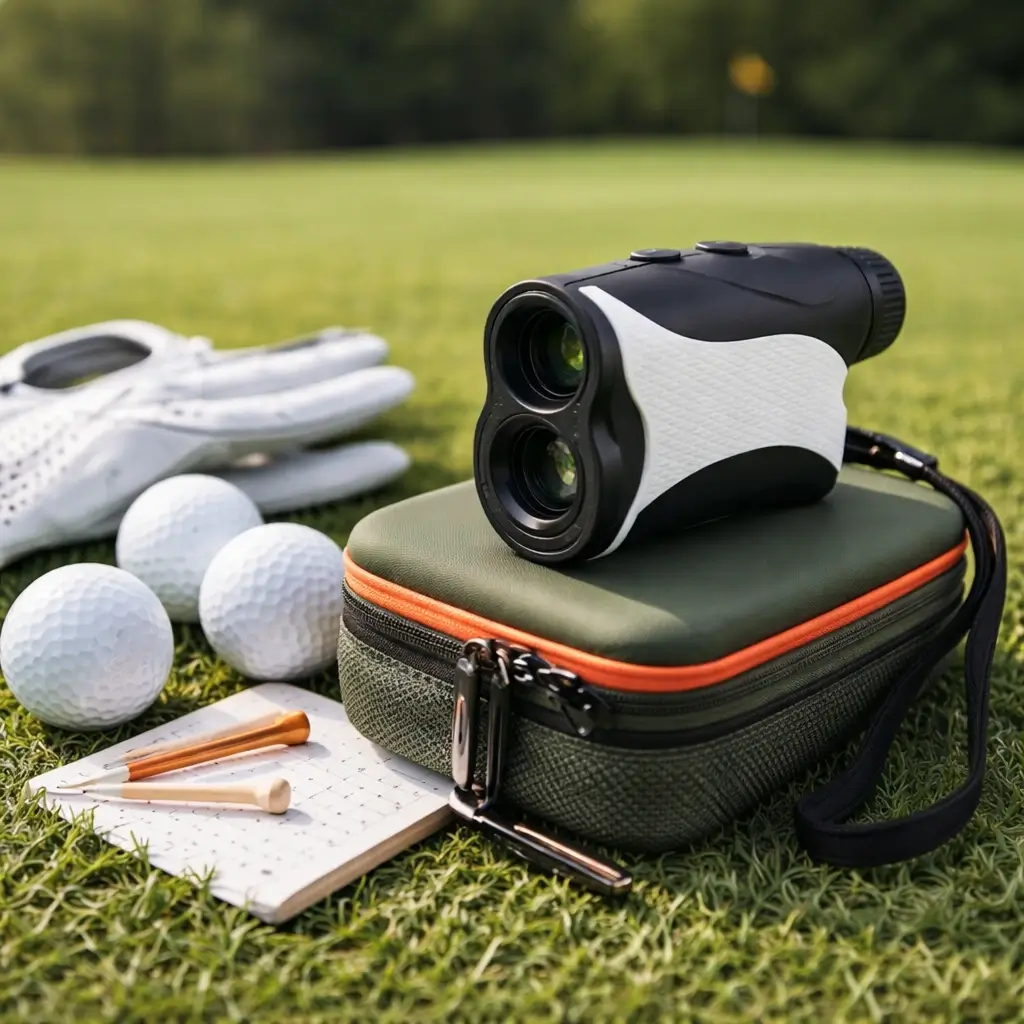
Best Golf Rangefinders (2026)
The top laser rangefinders from Bushnell, Garmin, and Callaway — compared by accuracy, slope compensation, price, and what actually matters for your game.
Read the full guide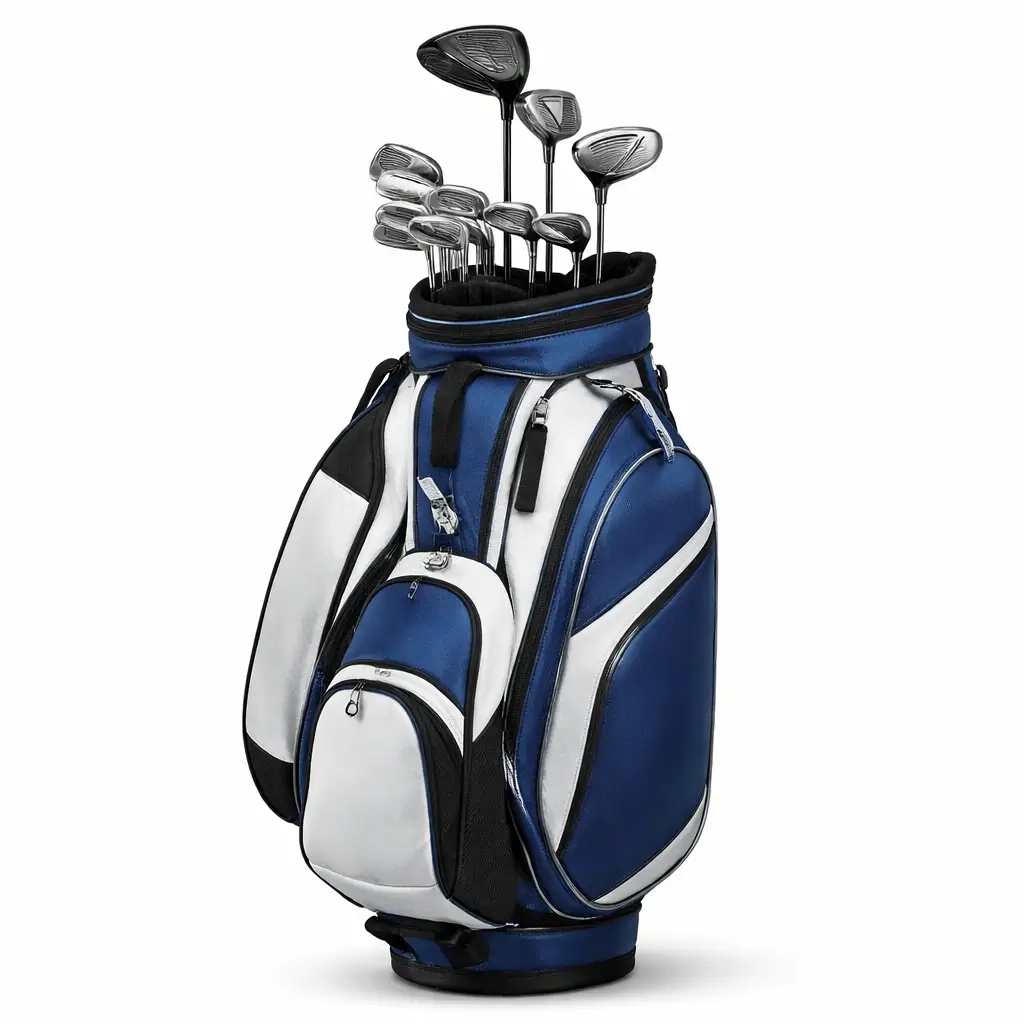
Best Golf Clubs for Beginners (2026)
Top-rated beginner sets from Callaway, TaylorMade, and STIX — compared by price, forgiveness, and what's actually included in each box.
Read the full guide
How Much Does Golf Cost? Complete Cost Guide (2026)
Clubs, green fees, memberships, GPS watches, lessons — a full first-year cost breakdown with three realistic budgets for new golfers.
Read the full guide
Best Golf Balls for Beginners (2026)
The right ball reduces spin on mishits and adds distance. Top picks from Titleist, Callaway, and Srixon — matched by compression, cover type, and budget.
Read the full guide