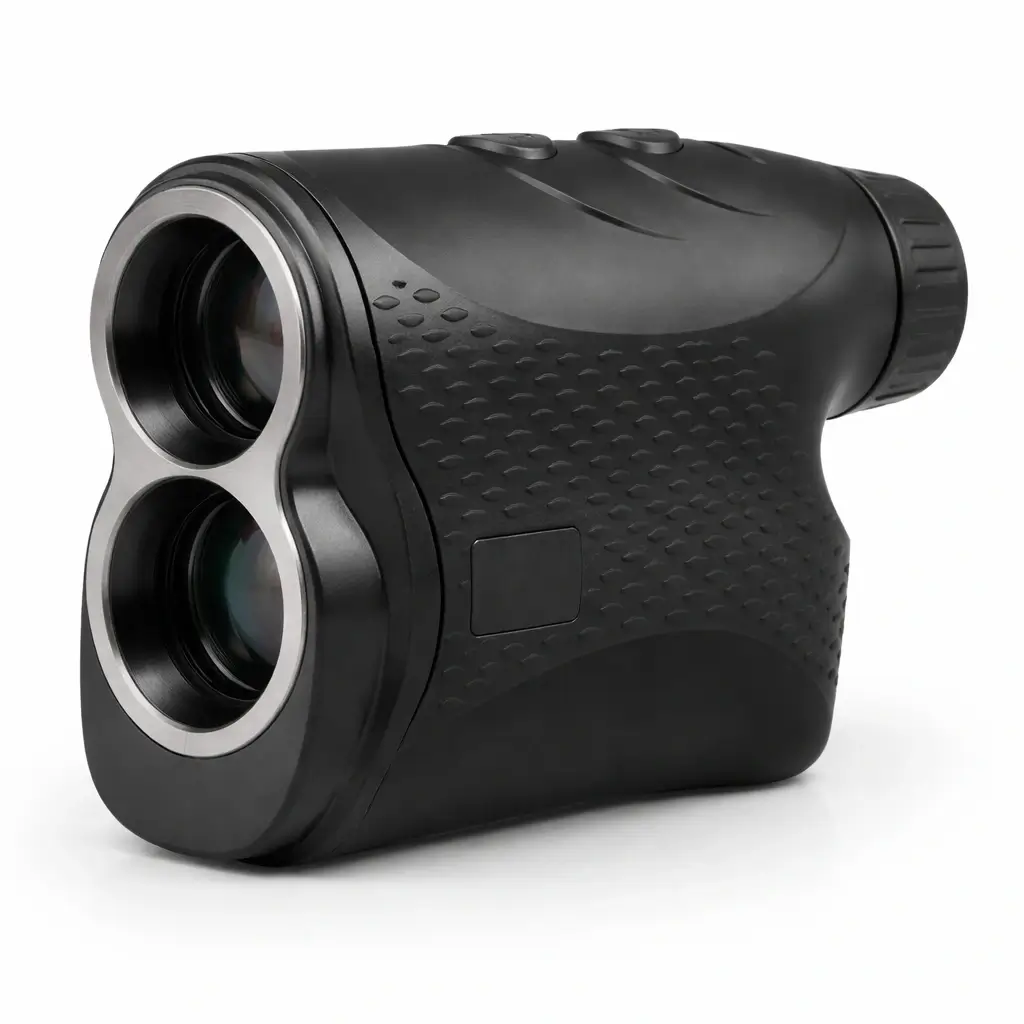
Best Golf Rangefinders in 2026: Top Laser and GPS Models Compared
A good golf rangefinder eliminates one of the most common sources of dropped shots: guessing the distance. Whether you're a beginner learning how far you hit each club, or an experienced player dialling in approach yardages, the right rangefinder gives you precise, confident numbers in under a second. This guide covers the best golf rangefinders of 2026 — laser, GPS, and hybrid models — with clear comparisons of accuracy, features, price, and what actually matters on the course.
Best Golf Rangefinders: Quick Picks
- Best overall: Bushnell Pro X3+ — class-leading accuracy, magnetic mount, slope toggle, ~$499
- Best GPS + laser hybrid: Garmin Approach Z82 — full course maps plus laser ranging, ~$599
- Best mid-range value: Callaway 300 Pro — slope compensation, accurate to ±1 yard, ~$199
- Best budget pick: Blue Tees Series 3 Max — slope, 800-yard range, ~$149
- Best for stability: Nikon Coolshot Pro II Stabilized — optical image stabilisation, ~$329
- Laser vs GPS: Laser = pinpoint target accuracy; GPS = fast course-wide hazard distances
- Competition rules: Slope mode must be disabled in official rounds under R&A/USGA rules
What Is a Golf Rangefinder and Do You Actually Need One?
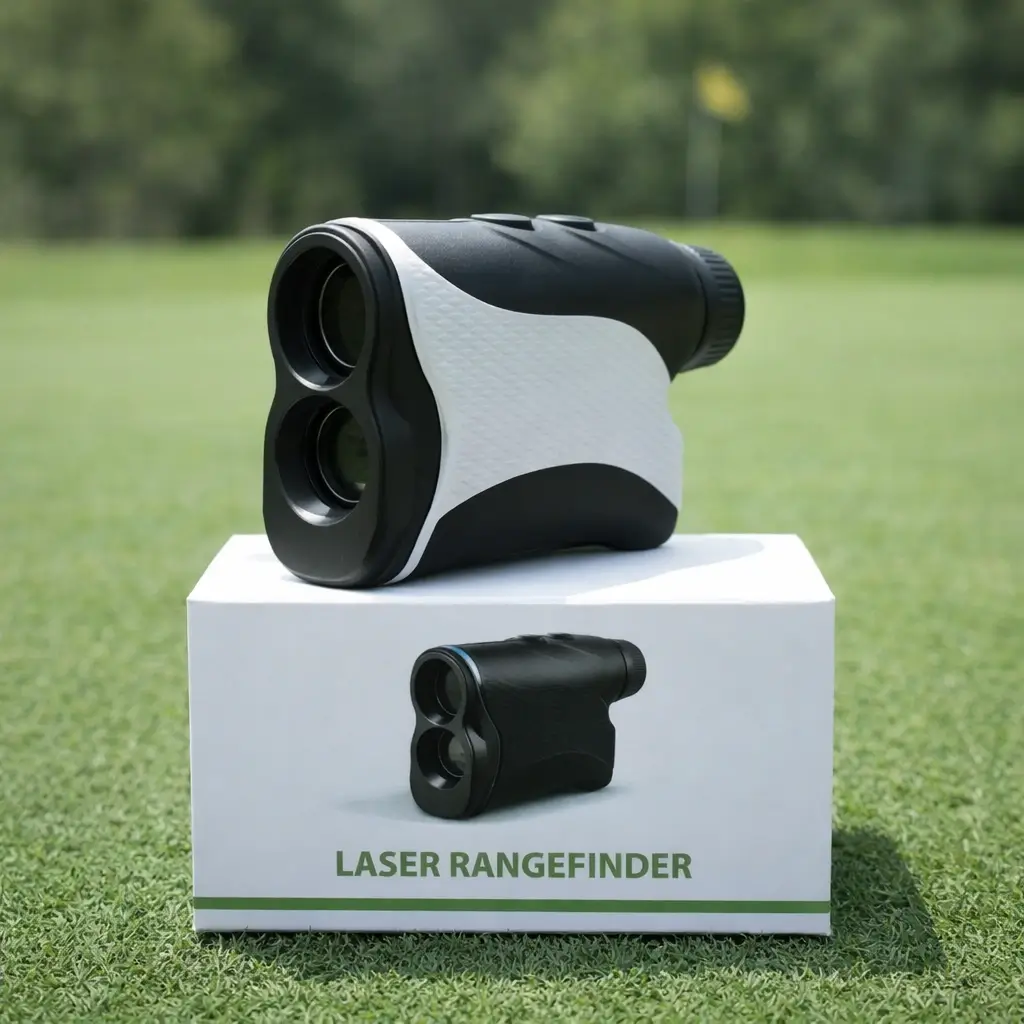
A golf rangefinder is a handheld optical device that measures the distance from your position to a target on the course — typically the flagstick, the front of the green, a bunker, or a hazard. Laser rangefinders fire an invisible infrared beam at the target and calculate distance based on the time it takes to return, delivering a readout accurate to within one yard in under a second. GPS rangefinders and GPS golf watches use satellite positioning and pre-loaded course data to display distances to key points on each hole without requiring you to aim at anything.
For beginners, a rangefinder removes the guesswork from club selection and accelerates the process of learning how far you actually hit each club — information that is essential to making good decisions on the course. According to Golf Monthly's 2024 beginner gear survey, 68% of new golfers who used a rangefinder during their first year felt it meaningfully improved their understanding of their own distances. For experienced players, the value is equally clear: precise yardages on approach shots lead directly to lower scores.
HobbyZHQ's golf beginner guide lists a rangefinder or GPS watch as one of the most impactful accessories once you have your clubs and shoes sorted. Entry-level models from Blue Tees and Callaway now start at under $150, making this technology accessible at every budget. See our best golf clubs for beginners guide if you're still building out your core equipment.
What Should You Look for in a Golf Rangefinder?
The best golf rangefinder for you depends on how you play, what you value, and how much you're willing to spend. Several key features separate a genuinely useful device from one that frustrates you on the course.
Laser Rangefinder vs GPS: Which Is Better?
Laser rangefinders are the preferred choice of most serious golfers and tour caddies. They deliver precise distance to any specific target you can aim at — the flagstick, a tree line, or the near edge of a bunker. Their limitation is that you must aim and hold steady on the target, which takes a second or two. GPS devices and watches display pre-mapped distances to the front, middle, and back of the green automatically as you walk each hole, requiring no aiming at all. Many modern hybrid rangefinders, such as the Garmin Approach Z82, combine both technologies in a single device.
Slope Compensation
Slope compensation — sometimes called "slope mode" or "adjusted distance" — calculates the effective playing distance after accounting for uphill or downhill elevation change. On a 150-yard shot that plays uphill, a slope-enabled rangefinder might display a "plays like 162 yards" reading, telling you to take an extra club. This feature is one of the most practically useful on a hilly course. Under R&A and USGA rules, slope mode must be disabled during competitive rounds, so most premium rangefinders include a physical toggle or mode indicator to confirm slope is off.
Range and Accuracy
Most quality laser rangefinders are accurate to within ±1 yard at distances up to 400–600 yards. For golf purposes, anything accurate to ±1 yard at 300 yards is more than sufficient, as very few approach shots exceed that distance. Advertised maximum range figures (often 1,000+ yards) refer to distance to large targets such as trees or buildings, not the slim profile of a flagstick. A practical flag-lock range of 250–350 yards covers every approach shot on a standard course.
Flag-Lock Technology (Pin Acquisition)
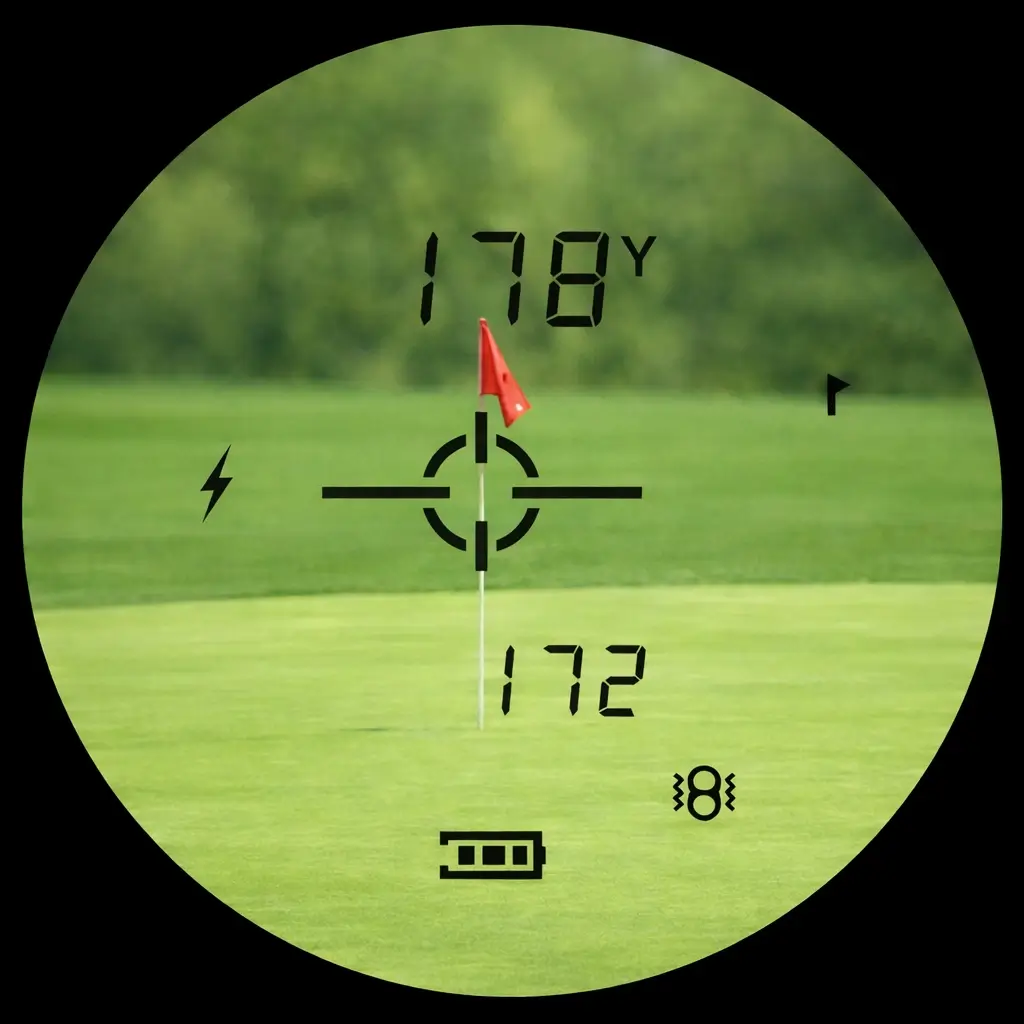
Flag-lock, PinSeeker, JOLT, and similar proprietary systems use vibration or audio feedback to confirm the rangefinder has locked onto the flagstick rather than a more distant background target such as trees or grandstands. This is one of the most important features on a laser rangefinder, especially when the flag is backed by dense vegetation. Premium models from Bushnell use their JOLT vibration system; Callaway uses PinSensor; Nikon uses Distant Target Priority. Any serious buyer should prioritise this feature over raw maximum range figures.
Build Quality and Battery Life
Rangefinders are used outdoors in all weather conditions. A rubberised, water-resistant body is far more practical than a smooth plastic casing. Most quality models are rated as water-resistant (not waterproof), sufficient for rain and dewy morning rounds. Battery life is rarely a concern with laser models — a CR2 lithium battery typically powers 2,000–3,000 measurements, meaning a battery replacement every 1–2 seasons for regular players.
The Best Golf Rangefinders in 2026
The models below represent the strongest options across different budgets and use cases. All have been extensively reviewed by specialist golf publications including Today's Golfer, Golf Monthly, GolfMagic, and MyGolfSpy.
1. Bushnell Pro X3+ — Best Overall
The Bushnell Pro X3+ is the standard against which other premium golf rangefinders are measured. It delivers slope-adjusted distances, a magnetic cart-mount included in the box, a colour display, and Bushnell's industry-leading JOLT vibration feedback when the flag is locked. Accuracy is rated at ±1 yard across its full operating range. Golf Monthly's 2026 rangefinder test ranked it first overall for flag acquisition speed and clarity of optics, noting that the 7x magnification makes target identification easier than most rivals at the same price point. At around $499, it is a significant investment, but it is the closest thing to a definitive choice if budget allows.
2. Garmin Approach Z82 — Best GPS + Laser Hybrid
The Garmin Approach Z82 combines a precision laser rangefinder with Garmin's comprehensive GPS course mapping database, which covers over 41,000 courses worldwide. Holding the Z82 up to the flag delivers a laser-accurate yardage, while the live view display simultaneously overlays GPS distances to the front and back of the green, nearby hazards, and the course layout. MyGolfSpy's 2025 hybrid device review praised it as the most complete single device available for course management. For golfers who want both technologies without carrying separate devices, the Z82 at around $599 is the standout choice.
3. Callaway 300 Pro — Best Mid-Range Value
The Callaway 300 Pro is the most recommended rangefinder in the $150–$250 price range, combining slope compensation, a 6x magnification lens, and Callaway's PinSensor flag-lock technology in a compact, ergonomic body. It is accurate to ±1 yard and delivers slope distances at the push of a button, with a clear mode indicator so you know when slope is active. GolfMagic rated it as the best rangefinder under $200 in their 2026 test, noting that the optics quality and flag-lock performance punch well above the price point. It is the most natural recommendation for golfers who want serious performance without paying flagship prices.
4. Blue Tees Series 3 Max — Best Budget Rangefinder
Blue Tees Golf has built a strong reputation in the entry-level rangefinder market by delivering accurate, reliable devices at prices that undercut established brands. The Series 3 Max offers a 800-yard maximum range, slope compensation with a toggle switch, flag-lock with vibration, and a 6x magnification lens — features that cost $300+ from legacy brands — at a street price of around $149. Today's Golfer's 2025 budget rangefinder roundup found its real-world accuracy to be within ±1.5 yards at 200 yards on the flagstick, which is excellent at this price. For beginners or golfers who play casually and don't want to spend $300+ on a rangefinder, the Series 3 Max is the clear recommendation.
5. Nikon Coolshot Pro II Stabilized — Best for Stability
The Nikon Coolshot Pro II is the only mainstream golf rangefinder to incorporate optical image stabilisation, borrowed from Nikon's camera lens technology. On a breezy day or after a tiring walk up a steep hill, image stabilisation makes a meaningful difference to how quickly and cleanly you lock onto a distant flag. The Coolshot Pro II is accurate to ±0.5 yards — the tightest specification of any model in this guide — and its Distant Target Priority mode ensures the flag is measured rather than background foliage. At around $329, it sits between the Callaway 300 Pro and the Bushnell Pro X3+, and is the preferred choice of golfers who struggle with a shaky hand or play on heavily wooded, target-rich courses.
Golf Rangefinders Compared: Price, Range, Slope, and Best For
The table below summarises the key specifications of each recommended model to help you compare at a glance.
| Model | Approx. Price (USD) | Type | Max Range (Flag) | Slope | Best For |
|---|---|---|---|---|---|
| Bushnell Pro X3+ | ~$499 | Laser | 400 yards | Yes (toggle) | Best overall, serious players |
| Garmin Approach Z82 | ~$599 | Laser + GPS | 400 yards | Yes | GPS + laser in one device |
| Callaway 300 Pro | ~$199 | Laser | 300 yards | Yes (toggle) | Best mid-range value |
| Blue Tees Series 3 Max | ~$149 | Laser | 300 yards | Yes (toggle) | Best budget, beginners |
| Nikon Coolshot Pro II | ~$329 | Laser | 350 yards | No | Best stability, wooded courses |
How to Choose the Right Golf Rangefinder for Your Game
With a clear picture of what is available, the decision comes down to matching your priorities to the right device. Here is a step-by-step framework for making the right choice.
- Set your budget first. Quality laser rangefinders are available from $100 to $600+. The most important jump in performance happens between the sub-$100 unbranded market and reputable models like the Blue Tees Series 3 Max at $149. Beyond $200, improvements are incremental — better optics, faster flag acquisition, image stabilisation. If you're a beginner, the Callaway 300 Pro or Blue Tees Series 3 Max deliver everything you need for considerably less than flagship models.
- Decide whether you want slope compensation. If your home course is hilly, slope compensation is genuinely useful and will improve your club selection. If you primarily play flat parkland courses or use the device mainly in casual rounds, slope adds less value. Most modern rangefinders at $150+ include slope mode with a legal toggle, so it is rarely a reason to step up to a higher price tier on its own.
- Consider whether GPS course mapping appeals to you. If you like having hazard distances, hole layouts, and front/back-of-green yardages available passively without aiming at anything, a GPS-enabled hybrid like the Garmin Approach Z82, or a separate GPS watch worn alongside a basic laser, may suit you better. Pure laser rangefinders require you to aim and lock; GPS never does. Many golfers find the combination of a GPS watch and a mid-range laser rangefinder offers the best of both worlds at a total cost below the Garmin Z82 alone.
- Check whether your club allows rangefinders in competitions. The R&A and USGA permit distance-measuring devices (with slope disabled) in stroke play unless a Local Rule prohibits them. However, some clubs still apply older Local Rules that ban all measuring devices. Verify your club's specific rules before making a purchase decision based on competition use.
- Prioritise flag-lock over maximum range. Advertised maximum ranges often refer to reflective or large targets, not flagsticks. For everyday golf, a reliable flag-lock range of 250–350 yards covers nearly every approach shot you will face. Read real-world reviews rather than relying on headline specifications when comparing models.
Tips for Getting the Most From Your Golf Rangefinder
Owning a rangefinder is only useful if you know how to use it effectively on the course. These practical tips will help you get reliable readings quickly and make better decisions with the data you receive.
- Use a reflective flag pin. Most modern flagsticks accept a small reflective band or pin insert that dramatically improves laser lock-on speed and accuracy. If your club uses standard flag pins, ask whether reflective accessories are available — many manufacturers supply them cheaply.
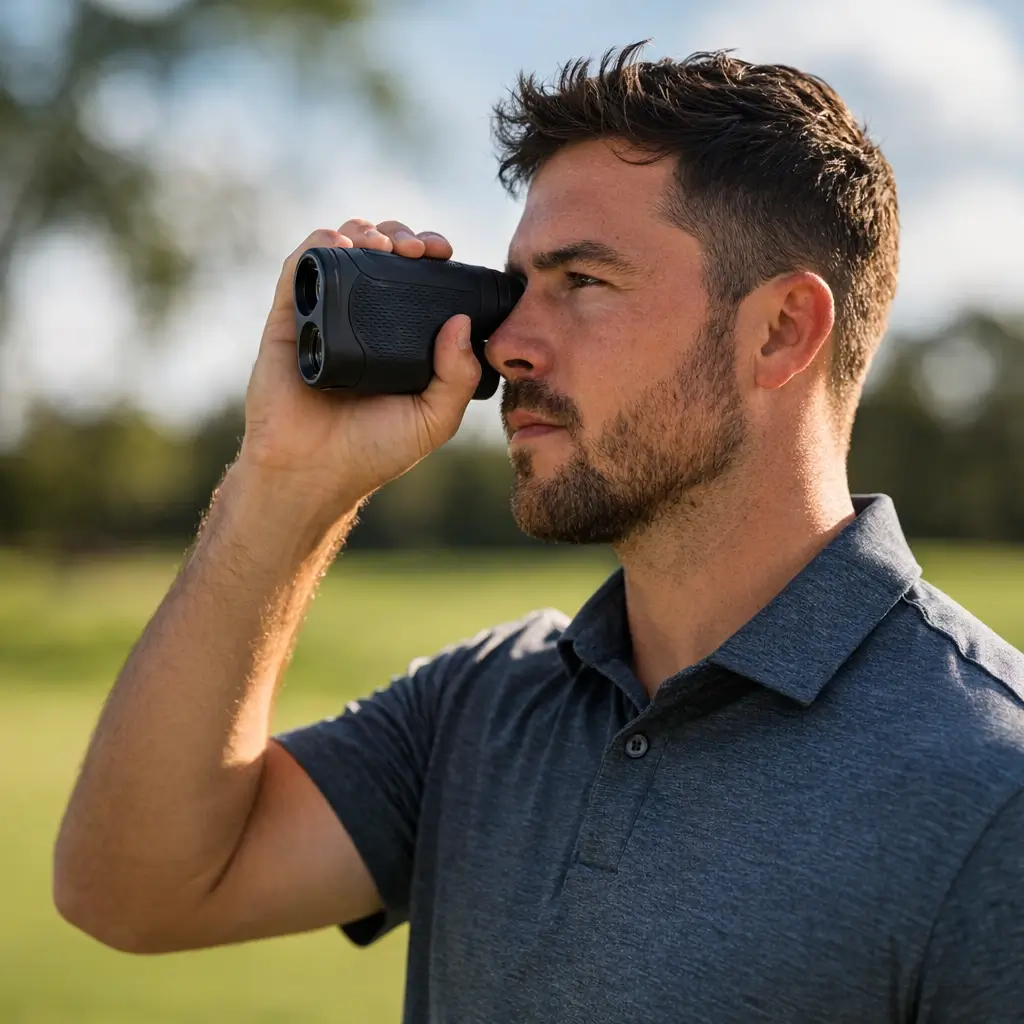
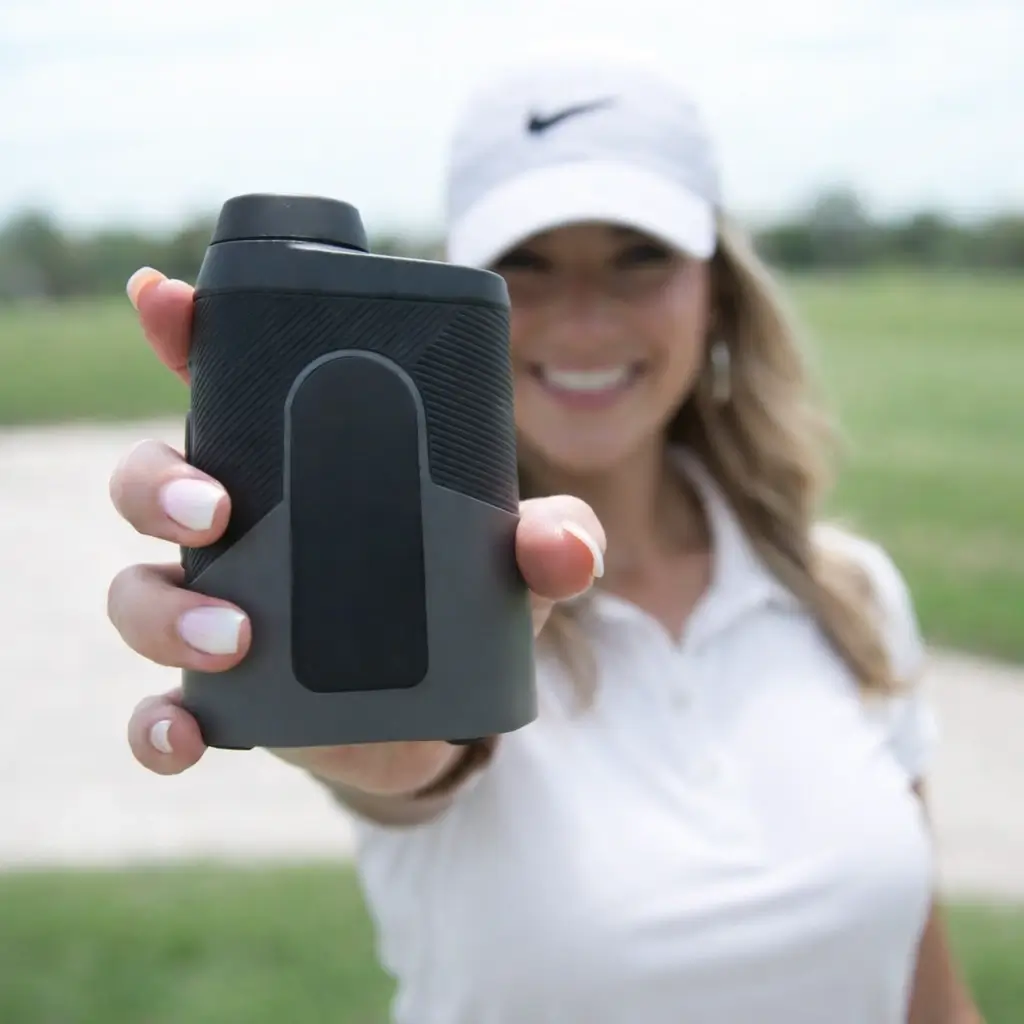
- Brace against your body for stability. Even minor hand movement causes the laser dot to wander off the flag. Hold the rangefinder with both hands, tuck your elbows in, and press the device lightly against your eye socket for maximum stability before firing the laser. On windy days, crouch slightly to lower your centre of gravity.
- Always check that slope mode is off before a competition. Any rangefinder with slope compensation must display slope as disabled before you use it in a stroke play round. Most modern devices have a physical toggle and a clear "S" or slope indicator in the display. Get into the habit of checking this on the first tee.
- Measure more than just the flag. Rangefinders are equally useful for measuring the carry distance needed to clear a bunker, the distance to the edge of a water hazard, or the width of a fairway gap. Developing a habit of scanning for hazard distances as you approach a tee box gives you far more useful information than just flag yardage.
- Use the driving range to build your distance chart. Spend a session at the driving range with your rangefinder measuring actual carry distances for each club. Accurate personal carry distances are the foundation of good course management — these numbers are far more useful than average distances published for your clubhead speed.
- Keep a spare CR2 battery in your bag. Most laser rangefinders use a single CR2 lithium battery. They rarely die mid-round, but keeping a spare adds a few grams to your bag and removes a potential frustration entirely.
- Consider a magnetic mount for cart play. If you regularly ride in a cart, a magnetic cart-mount (included with models like the Bushnell Pro X3+ or available as a sub-$20 aftermarket accessory) keeps your rangefinder accessible without digging through your bag between shots.
How Much Does a Golf Rangefinder Cost? Full Price Breakdown
Golf rangefinder prices span a wide range, and the performance gap between price tiers is smaller than marketing suggests. The table below outlines what you can realistically expect at each price level.
| Price Tier | Typical Models | What You Get | What You Miss |
|---|---|---|---|
| Under $100 | Unbranded or generic | Basic laser distance, 6x magnification | Slope, flag-lock vibration, build quality, accuracy consistency |
| $100–$179 | Blue Tees Series 3 Max, Precision Pro NX9 | Slope mode, flag-lock vibration, reliable accuracy ±1–2 yards | Premium optics, image stabilisation, GPS integration |
| $180–$299 | Callaway 300 Pro, TecTecTec VPRO500S | Branded quality, ±1 yard accuracy, legal slope toggle, clear optics | Image stabilisation, GPS, magnetic mount (usually) |
| $300–$449 | Nikon Coolshot Pro II, Bushnell Tour V6 | Image stabilisation or JOLT feedback, premium optics, fast flag-lock | GPS integration |
| $450+ | Bushnell Pro X3+, Garmin Approach Z82 | Best-in-class accuracy, GPS hybrid, magnetic mount, colour display | Nothing significant at this price |
For most golfers, the sweet spot is the $150–$250 range. Models like the Blue Tees Series 3 Max and Callaway 300 Pro deliver accurate slope-enabled readings with reliable flag-lock at prices that represent genuine value. HobbyZHQ's full golf cost guide covers how rangefinder costs fit within a realistic annual golf budget, alongside clubs, green fees, and other accessories.
Frequently Asked Questions About Golf Rangefinders
What is the best golf rangefinder in 2026?
The best golf rangefinders in 2026 include the Bushnell Pro X3+ (best overall accuracy and slope performance), the Garmin Approach Z82 (best GPS and laser hybrid), the Callaway 300 Pro (best mid-range value), the Blue Tees Series 3 Max (best budget pick), and the Nikon Coolshot Pro II Stabilized (best for image stability). The right choice depends on your budget, whether you want slope compensation, and how much you value GPS course mapping alongside laser distance.
What is the difference between a laser rangefinder and a GPS golf watch?
A laser rangefinder measures distance to a specific target — such as the flagstick or a bunker edge — and delivers a precise yardage in under a second. A GPS golf watch uses satellite data and pre-loaded course maps to show distances to the front, middle, and back of each green automatically as you play. Laser rangefinders are more precise on specific targets; GPS devices are faster and more convenient for general course management. Many golfers use both.
Are golf rangefinders allowed in competitions?
Golf rangefinders are permitted in most amateur stroke play and casual rounds under R&A and USGA rules updated in 2019. However, slope-compensation features must be disabled for any official round, as slope mode provides a calculated advantage. Always check the specific competition's Local Rules before use, as some clubs still prohibit all measuring devices under older Local Rules.
How accurate are golf rangefinders?
Premium golf rangefinders such as the Bushnell Pro X3+ and Nikon Coolshot Pro II are accurate to within ±1 yard at distances up to 400 yards. Budget models typically achieve accuracy within ±2 yards. Accuracy can be affected by rain, fog, and whether the target has a reflective pin inserted. Reflective flag pins significantly improve lock-on speed and precision at distance.
Do beginner golfers need a rangefinder?
A rangefinder is not essential for beginners, but it adds genuine value earlier than many people assume. Knowing the exact distance to the flag removes guesswork from club selection and helps beginners learn faster by linking consistent swing outcomes to specific yardages. According to Golf Monthly's 2024 beginner gear survey, 68% of new golfers who used a rangefinder in their first year felt it accelerated their understanding of club distances. Budget models are available from around $100–$150.
You May Also Be Interested In
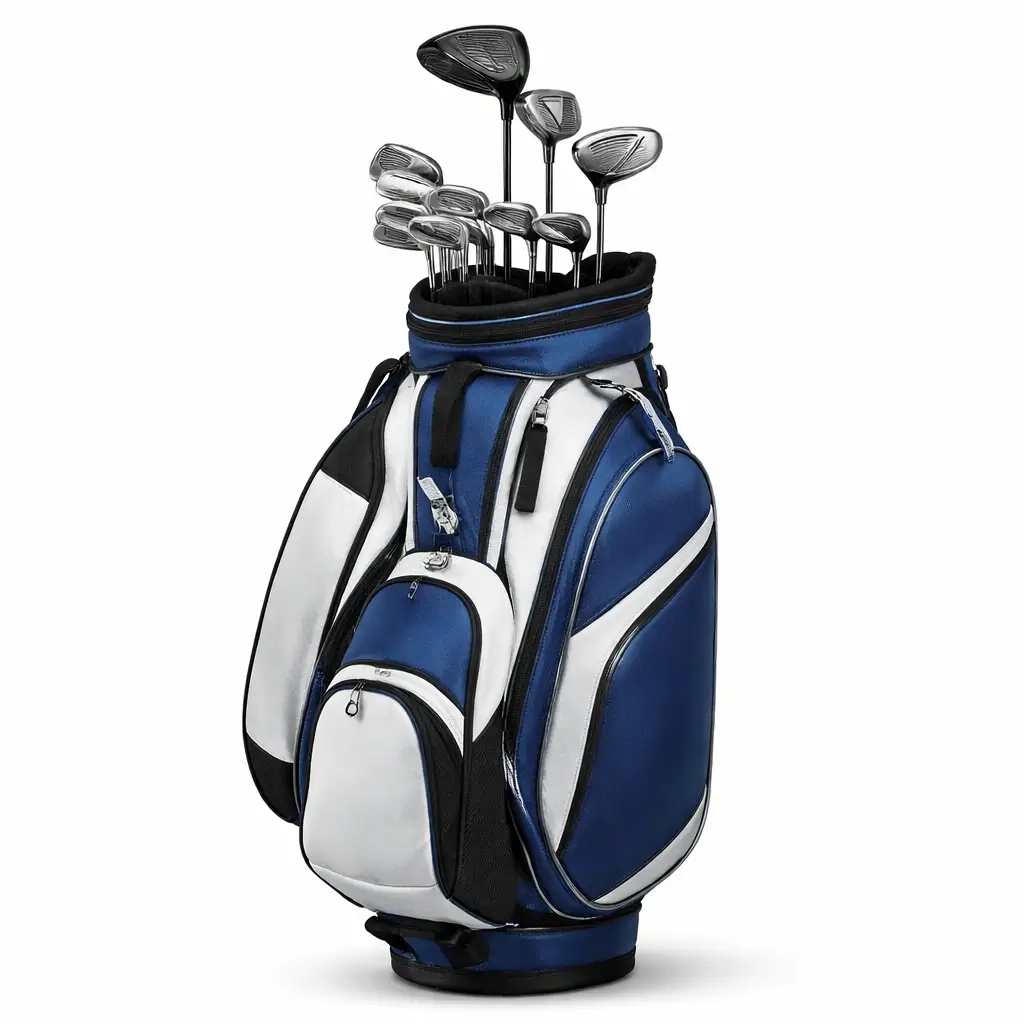
Best Golf Clubs for Beginners (2026)
Top-rated sets from Callaway, TaylorMade, STIX and more — compared by price, forgiveness, and what's actually included so you don't overspend on your first set.
Read the full guide
How Much Does Golf Cost? Complete Beginner's Cost Guide
Clubs, rangefinders, green fees, memberships, lessons — a full first-year cost breakdown so you can budget before you buy.
Read the full guide
Best Golf Balls for Beginners (2026)
The right ball reduces spin on mishits and costs less per lost ball. Find your ideal match by compression, cover type, and budget.
Read the full guide