
How Much Does Golf Cost in 2026? A Complete Beginner's Cost Guide
How much does golf cost? It is one of the first questions every new player asks, and the honest answer is: it depends on how you approach it. Golf can cost as little as $250 to get started or several thousand dollars per year for a fully committed member. This guide breaks down every cost category — clubs, green fees, memberships, lessons, and gear — so you can build a realistic budget before you set foot on a course.
Golf Costs at a Glance
- Budget starter cost: ~$370–$440 for full equipment (clubs, shoes, balls, accessories)
- Mid-range starter cost: ~$660–$800 for a quality setup
- Green fees (public course): $20–$45 per round on average in the US
- Annual membership (municipal): $400–$1,200 per year
- Golf lessons: $50–$100 per hour (individual), $20–$40 (group)
- First-year total (casual player): $800–$1,500 including all costs
- Cheapest way to start: Used clubs + municipal course pay-as-you-play
What Does It Cost to Start Playing Golf in 2026?
Golf has a long-standing reputation as an expensive hobby, but the reality in 2026 is more nuanced. The sport has undergone a significant accessibility shift since 2020, with the National Golf Foundation reporting record rounds played and a meaningful increase in first-time players across the United States. Public and municipal courses now account for the majority of golf activity, and the cost of entry-level equipment has stayed broadly flat despite improvements in technology.
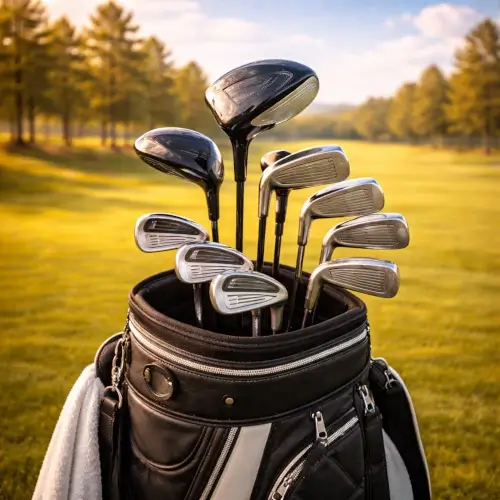
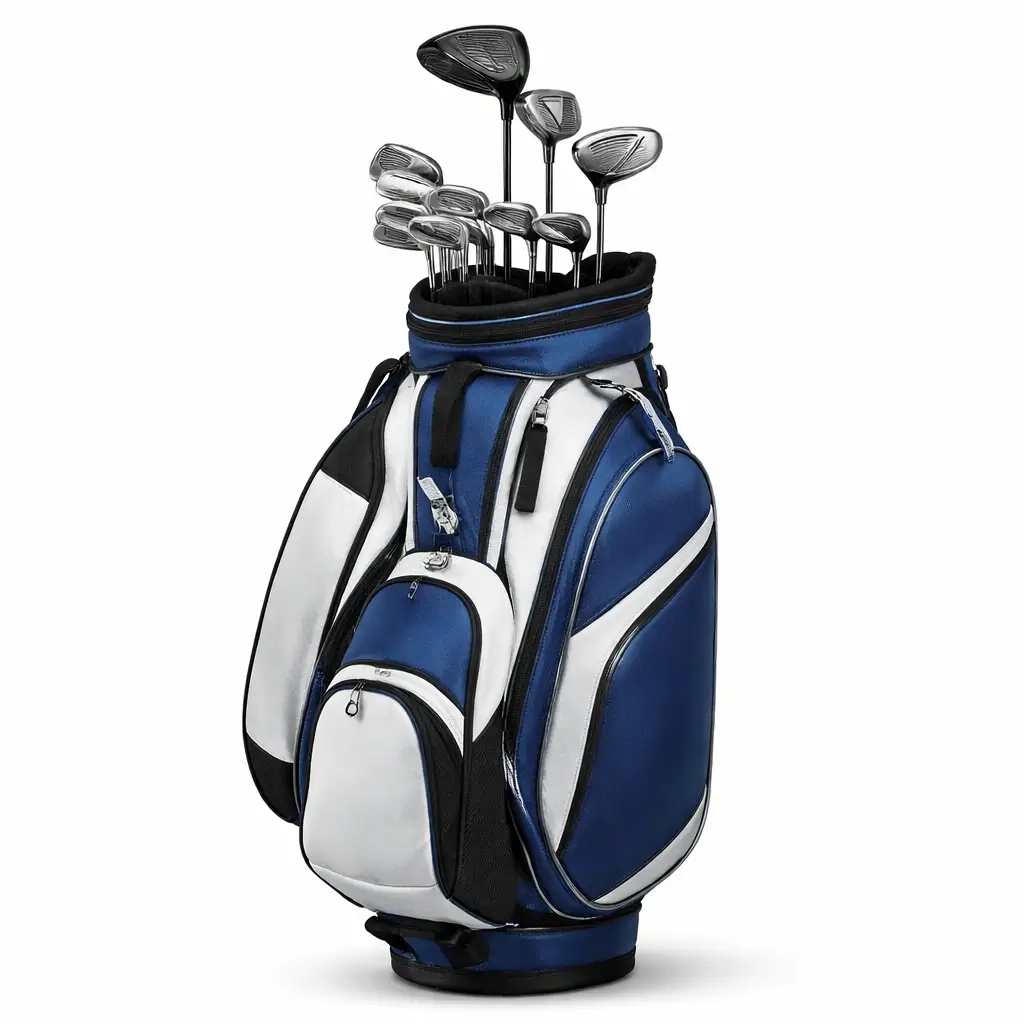
The most important cost for any beginner is equipment. A complete beginner golf club set from a reputable brand like Callaway or Wilson can be purchased new for $250–$350, or found used in excellent condition for under $150. Add shoes, balls, a glove, and tees, and a new golfer can be fully equipped and ready to play for under $450 at the budget end. HobbyZHQ's guide to the best golf clubs for beginners covers the top sets in detail if you are still deciding what to buy.
Beyond equipment, the recurring costs of golf — green fees, golf balls, and occasional accessories — are what determines the true annual spend. A golfer who plays once a week at a public course without a membership will spend roughly $1,000–$2,000 per year on green fees alone. A club membership can reduce the per-round cost substantially if you play regularly enough to justify the upfront fee.
How Much Do Beginner Golf Clubs Cost?
Golf clubs are the single largest upfront cost when starting out. The good news is that beginner-specific package sets have never been better value. Rather than building a custom set club by club, most new players should start with a complete package that includes a driver, fairway wood or hybrid, a set of irons, a wedge, and a putter — everything needed for a full round.
| Club Set Option | Approx. Price (USD) | What You Get | Best For |
|---|---|---|---|
| Quality used set (Callaway, Wilson, TaylorMade) | $80–$200 | Full set, variable condition | Trying golf before committing |
| Budget package set (e.g. Callaway Strata) | $250–$350 | 12-piece + bag, new | Best value for new players |
| Mid-range package set (e.g. STIX Golf, TaylorMade RBZ 2) | $400–$650 | Full set + bag, better tech | Committed beginners |
| Premium package set (e.g. Callaway XR) | $900–$1,200 | 13-piece + bag + 3 wedges | Long-term set, serious beginners |
| Custom-built iron set (e.g. Callaway Elyte HL) | Irons only — $500–$900 | Iron set only, premium forgiveness | Upgrading from existing set |
For most beginners, the $250–$400 range represents the sweet spot. Spending more than $700 on your first set before you know whether you enjoy the game is an easy mistake to make. MyGolfSpy's 2026 beginner cost guide recommends starting with a complete package, playing a full season, and then investing in individual club upgrades once you understand which clubs you use most.
What Are Green Fees and How Much Do They Cost?
Green fees are the charges you pay to play a round of golf at a course. They are the primary recurring cost of playing golf and vary enormously depending on the type of course, the time of day, and the day of the week. Understanding green fee structures is key to managing the ongoing cost of golf.
According to the National Golf Foundation's 2025 golf industry report, the average green fee at a public golf course in the United States is approximately $36 per round. That figure includes both budget municipal tracks at $15–$20 and premium resort courses charging $100+. For most recreational golfers, public courses in the $20–$50 range per round are the standard.
| Course Type | Typical Green Fee (USD) | Notes |
|---|---|---|
| Municipal (city-run) course | $15–$30 | Most affordable option; resident discounts often available |
| Public parkland course | $25–$55 | Standard public access; weekend rates higher |
| Semi-private course | $40–$80 | Members get priority; public tee times available |
| Private country club (visitor) | $80–$200+ | Often requires an introduction from a member |
| Resort / destination course | $100–$300+ | Premium experience courses; Pebble Beach, etc. |
| Twilight rate (any public course) | 30–40% discount | Playing from late afternoon; fewer holes possible |
One of the simplest ways to reduce green fees is to book twilight rounds. Most public courses offer discounted rates from around 3–4pm onwards, when there is less demand for tee times. Apps like GolfNow and TeeOff regularly list last-minute discounted tee times, sometimes at 50% or more off the standard rate.
What Does a Golf Club Membership Cost?
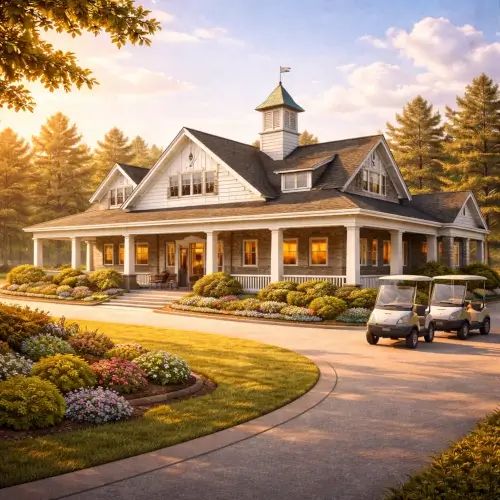
A golf club membership gives you unlimited or heavily discounted access to a specific course in exchange for an annual fee. Memberships make financial sense for golfers who play regularly — typically 40 or more rounds per year. Below a certain frequency, paying per round works out cheaper.
| Membership Type | Annual Cost (USD) | What's Included |
|---|---|---|
| Municipal club membership | $400–$1,200 | Unlimited or heavily discounted rounds; locker access |
| Public club — 5-day membership | $800–$2,000 | Weekday play only; good value for working golfers |
| Semi-private full membership | $1,500–$4,000 | Full course access, competition entry, social events |
| Private country club | $5,000–$30,000+ | Full access, dining, reciprocal rights; joining fees extra |
| Junior membership (under 18) | $100–$400 | Reduced access; most clubs offer heavily subsidised rates |
For beginners, a municipal club membership or a basic public club membership is the most sensible starting point. Many include a handicap registration and access to club competitions, which is a great way to meet other golfers and track improvement. HobbyZHQ recommends spending at least a year as a pay-as-you-play visitor before committing to a membership, so you can choose the course that suits your game and schedule.
What Other Equipment Do New Golfers Need to Buy?
Beyond clubs, there are several other equipment costs that new golfers often underestimate. None of them are ruinously expensive, but they add up. The table below gives a realistic picture of everything you need to be course-ready.
| Item | Budget Cost (USD) | Mid-Range Cost (USD) | Notes |
|---|---|---|---|
| Golf shoes | $50–$80 | $120–$180 | Spikeless shoes are versatile; spiked give better grip in wet conditions |
| Golf glove | $10–$15 | $20–$30 | Worn on the lead hand only; replace every 15–20 rounds |
| Golf balls (per dozen) | $15–$20 | $25–$40 | Beginners lose many balls — start with distance two-piece balls |
| Tees (pack of 50) | $4–$8 | $8–$15 | Wooden tees are cheap and biodegradable; buy in bulk |
| Divot repair tool & ball marker | $5–$10 | $10–$25 | Required for basic course etiquette |
| Golf towel | $8–$12 | $15–$25 | For keeping clubs and grips dry |
| Rangefinder or GPS watch | $60–$120 | $200–$400 | Not essential for beginners but immediately useful; free apps available. See our best golf rangefinders guide for a full breakdown. |
| Push/pull trolley | $40–$70 | $120–$250 | Saves physical effort over 18 holes; electric trolleys much more expensive |
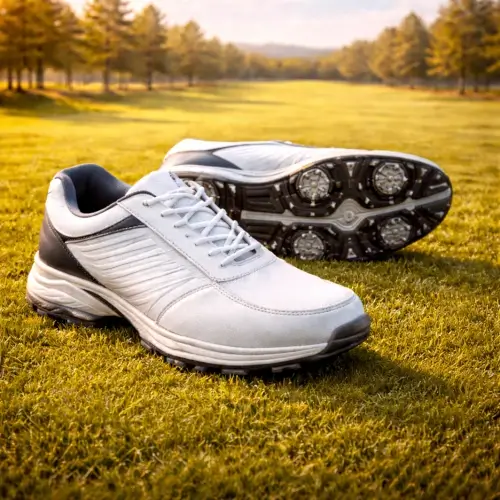
Golf shoes deserve particular attention. Many beginners try to play in trainers and find that grip becomes a real problem, especially in damp conditions. A pair of spikeless golf shoes in the $60–$80 range is one of the most impactful purchases a beginner can make — they improve stability through the swing and are comfortable enough to wear all day.
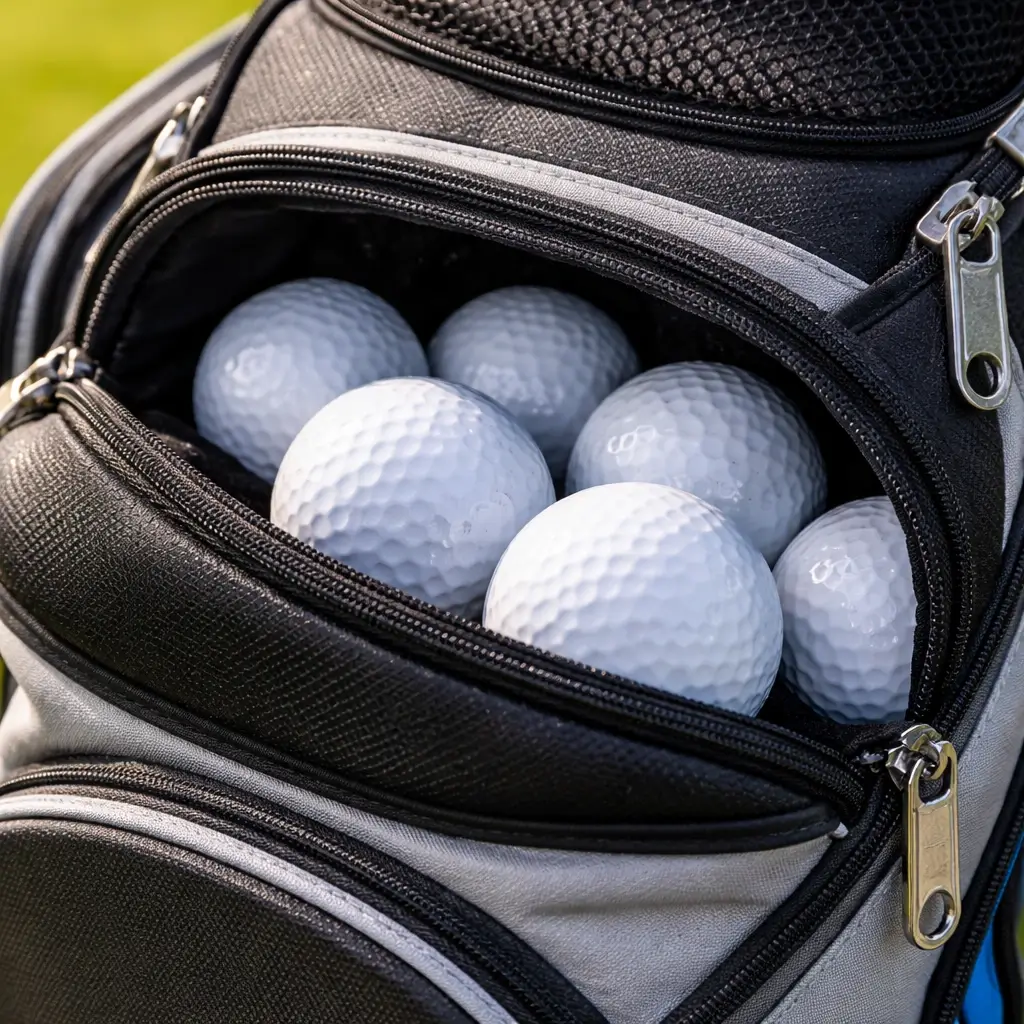
Golf balls are also a recurring cost that beginners consistently underestimate. New golfers typically lose 3–5 balls per round in their first few months, making premium tour-level balls ($45–$55 per dozen) a poor investment. Budget two-piece distance balls from brands like Titleist (TruFeel), Srixon (Soft Feel), or Callaway (Warbird) provide plenty of performance at $15–$25 per dozen.
How Much Do Golf Lessons Cost?
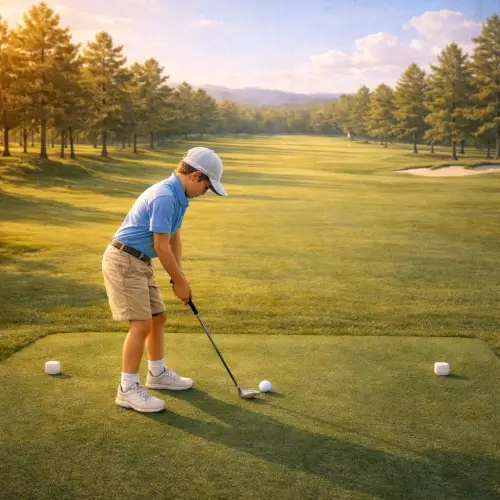
Golf lessons from a qualified PGA professional are one of the most valuable investments a beginner can make. Learning the fundamentals correctly from the start prevents the development of habits that are extremely difficult to undo later. Most new golfers benefit significantly from just 3–5 individual lessons covering grip, stance, and the basic swing.
- Individual lessons with a PGA professional: $50–$100 per hour. One-to-one instruction gives focused, personalised feedback on your specific swing. Most sessions are 45–60 minutes. Many coaches offer beginner packages of three or five lessons at a slight discount. Look for lessons at your local public course or driving range — they are typically more affordable than private club professionals.
- Group beginner lessons: $20–$40 per person per session. Group lessons are an excellent lower-cost option for absolute beginners. Many courses run structured beginner programmes — often five to six sessions covering the full fundamentals — for around $100–$180 total. The Golf Foundation and PGA of America both run widely available "Get into Golf" programmes at subsidised rates.
- Online video coaching: $30–$80 per month (subscription). Platforms like Me and My Golf, Rotary Swing, and Skillest offer video lesson analysis and structured improvement plans. These are useful between in-person lessons and as a long-term practice tool, but are not a replacement for initial face-to-face instruction with a professional.
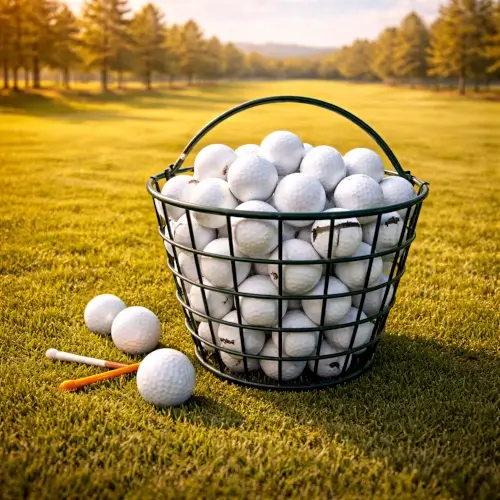
- Driving range sessions: $8–$20 per bucket of balls. Regular practice at a driving range — ideally after each lesson — is the fastest way to build consistency. A large bucket of balls typically costs $10–$18 at most UK and US ranges. Many golfers find a weekly range session of $12–$15 to be the most cost-effective way to improve between rounds.
- Golf simulator sessions: $25–$60 per hour. Indoor golf simulators have become far more widespread since 2020. They are useful for practising during winter or bad weather and provide detailed shot data that can accelerate learning. Many indoor venues offer off-peak rates significantly below the headline price — check local listings for deals.
Complete First-Year Cost of Golf: A Realistic Budget
Pulling everything together, here is what a beginner golfer can realistically expect to spend in their first year — across three common player profiles. These figures assume playing on public courses with no club membership.
| Cost Category | Casual Player (once a month) |
Regular Player (once a week) |
Keen Player (2–3× per week) |
|---|---|---|---|
| Starter equipment (clubs, shoes, balls, accessories) | $370–$440 | $500–$700 | $700–$1,200 |
| Green fees (public course avg $30) | $360 (12 rounds) | $1,560 (52 rounds) | $3,120+ (104+ rounds) |
| Golf balls (ongoing) | $30–$50 | $80–$120 | $150–$250 |
| Lessons (beginner series) | $100–$150 | $150–$300 | $300–$600 |
| Driving range practice | $50–$80 | $300–$500 | $600–$1,000 |
| Miscellaneous (gloves, tees, accessories) | $40–$60 | $80–$120 | $150–$250 |
| First-Year Total | ~$950–$1,100 | ~$2,670–$3,800 | ~$5,020–$8,300+ |
For regular and keen players, a club membership almost always delivers savings over pay-as-you-play. A municipal membership at $800–$1,200 per year effectively gives unlimited rounds, making it far cheaper per round than paying green fees weekly. Year two and beyond also become significantly cheaper as the major equipment costs are already covered.
How Can You Reduce the Cost of Golf?
Golf has never been easier to play on a budget. Here are the most effective ways to keep costs down without compromising the experience.
- Buy quality used clubs. Platforms like eBay, 2nd Swing Golf, and GlobalGolf sell certified pre-owned clubs from top brands at 40–70% below new prices. A set that cost $500 new two seasons ago can often be found for under $200 in excellent condition. Avoid unbranded clubs and anything with visible shaft damage or excessive face wear.
- Book twilight tee times. Most courses discount their rates from around 3–4pm. Apps like GolfNow and TeeOff aggregate last-minute deals, sometimes at half the standard rate. Playing a quick 9 holes in the evening is an affordable and time-efficient way to build your game.
- Join a municipal or 9-hole course. Nine-hole courses are significantly cheaper than full 18-hole layouts and are ideal for beginners building their game. Green fees often start at $10–$15, and annual memberships at municipal nine-hole courses can be as low as $300.
- Use lake balls for practice. Lake balls — balls recovered from water hazards and resold — are a cost-effective choice for beginners who lose balls frequently. Quality lake balls from brands like Titleist and Callaway can be purchased for $15–$25 per dozen, compared to $45+ for new premium balls.
- Take group lessons instead of individual ones. Group beginner sessions cost a fraction of one-to-one tuition and cover the same fundamental material. The Golf Foundation's "Golf It" and similar programmes regularly offer subsidised group lessons for under $100 for a full beginner course.
- Skip the membership for the first year. Paying as you go in year one prevents you from committing to a course or membership level that doesn't suit you. Once you know how often you'll play and which type of course you prefer, you can make a far more informed membership decision for year two.
- Download a free GPS app instead of buying a rangefinder. Apps like Hole19, Golfshot, and Golf GPS 18Birdies provide accurate yardages to greens at thousands of courses for free or at very low cost. They do everything a $100 handheld GPS unit does without the hardware purchase.
Frequently Asked Questions About the Cost of Golf
How much does golf cost for a beginner?
A beginner golfer can expect to spend $370–$440 getting fully equipped with a budget setup, or $660–$800 for a mid-range setup. This covers a complete club set, golf shoes, balls, glove, and accessories. Green fees at public courses typically add $20–$45 per round on top of that. Total first-year costs — including equipment, rounds, and a few lessons — commonly land between $800 and $1,500 for a casual new player.
Is golf an expensive hobby?
Golf can be expensive, but it does not have to be. The perception of golf as an elite sport is increasingly outdated. According to the National Golf Foundation, the majority of U.S. golfers play on public courses, where green fees average $36 per round. Buying used clubs from reputable brands, playing twilight rounds, and joining a municipal club rather than a private one can reduce the annual cost of golf to well under $500 for a casual player.
How much does a golf club membership cost?
Golf club membership costs vary widely. Municipal and public club memberships typically range from $400 to $1,200 per year in the United States. Semi-private clubs charge $1,500 to $4,000 annually, while private country clubs can demand $5,000 to $30,000+ per year plus a joining fee. Most beginners are best served by a public club membership or pay-as-you-play green fees for the first year while they establish how often they'll play.
How much do golf lessons cost?
Individual golf lessons from a PGA professional typically cost $50–$100 per hour in the United States. Group lessons are more affordable at $20–$40 per person per session. Many golf clubs include a set of beginner lessons as part of a membership package. Taking 3–5 lessons at the start will dramatically accelerate improvement, making it one of the most cost-effective investments a new golfer can make.
Can you play golf cheaply?
Yes — golf can be played very cheaply with the right approach. Buying quality used clubs from a platform like eBay, 2nd Swing, or GlobalGolf can cut equipment costs by 50–70%. Playing twilight rounds (typically 30–40% cheaper), using municipal courses, and sticking to lake balls or budget two-piece balls for practice can keep the cost of an active golf habit well below $50 per month in many areas.
What is the cheapest way to start playing golf?
The cheapest way to start playing golf is to buy a used set of brand-name clubs from Callaway, Wilson, or TaylorMade for $80–$150, pick up a sleeve of practice balls and a glove for under $25, and book a few rounds at a local municipal course. Spending $30–$40 on a single group lesson first gives you the fundamentals needed to enjoy the course from day one. Total startup cost using this approach: under $250.
You May Also Be Interested In
Best Golf Clubs for Beginners in 2026: Top Sets Compared
Ready to buy your first set? We compare the top beginner golf club packages from Callaway, TaylorMade, STIX, and more — with prices, pros, and expert buying tips.
Read the full guide
Golf for Beginners: Complete Getting Started Guide
Everything you need to know to start playing golf — from rules and etiquette to handicaps and finding a club near you.
Read the full guide
Best Budget Golf Sets in 2026
Already know your budget? Here are the best complete sets under $400 — from Callaway Strata to quality used clubs, reviewed and compared.
Read the full guide
Best Golf Balls for Beginners (2026)
The right ball reduces spin on mishits and costs less per lost ball — find the best match for your swing speed and budget.
Read the full guide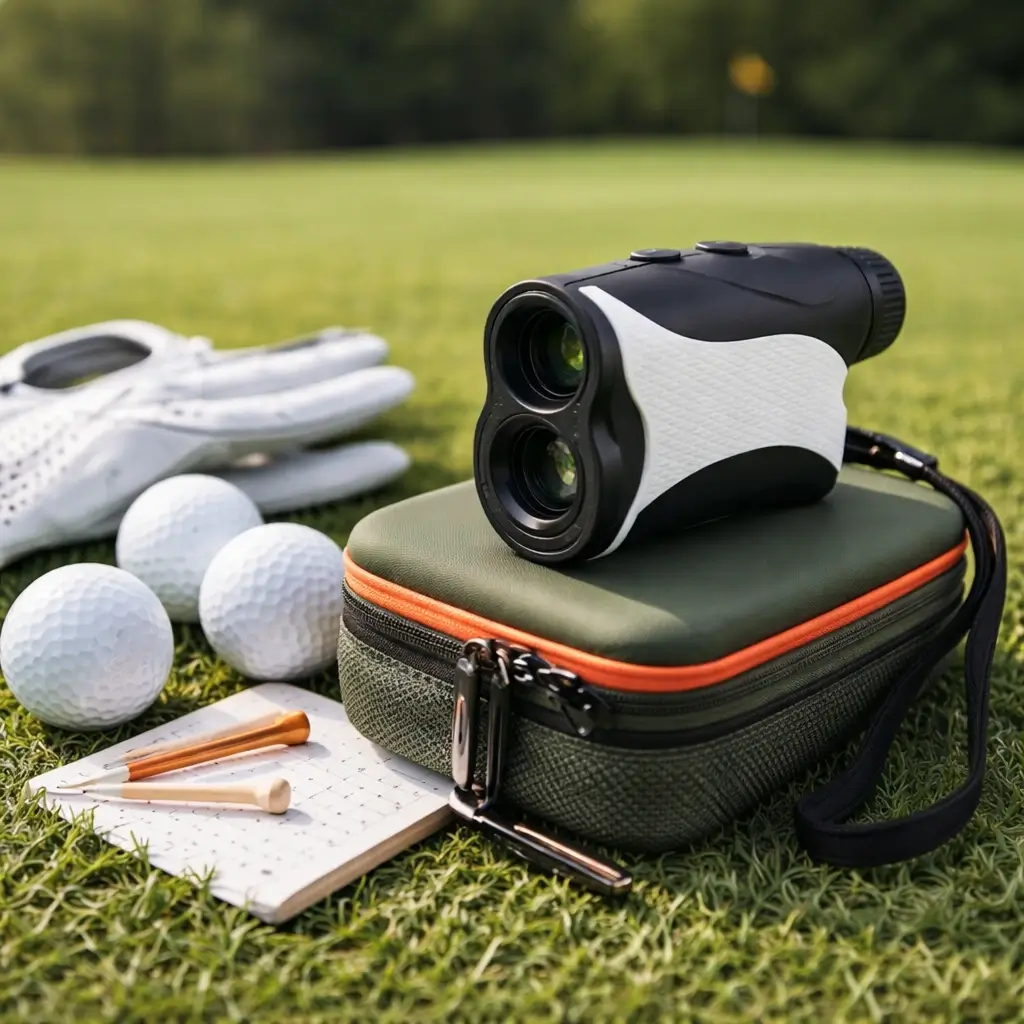
Best Golf Rangefinders (2026)
A rangefinder is one of the most cost-effective accessories you can add. We compare the best laser and GPS models at every price point — from $149 to $599.
Read the full guide