Outdoor & Nature
Hiking for Beginners: Your Complete Getting Started Guide
Hiking is an outdoor hobby in which you walk along trails, paths, or natural landscapes — from easy forest tracks to challenging mountain routes — for exercise, exploration, and enjoyment of the natural world. Whether you want a gentle weekend walk or an ambitious long-distance challenge, hiking for beginners is one of the most accessible and rewarding hobbies you can start today with almost no equipment.
Hiking at a Glance
- Participation: According to the Outdoor Industry Association's 2023 report, hiking is the most popular outdoor recreation activity in the United States, with over 57 million participants annually
- Trail discovery: AllTrails — the leading trail platform — has over 50 million users and lists more than 400,000 trails across 100 countries
- Start-up cost: As little as $0 if you own suitable footwear — a full beginner kit costs $50–$120
- Beginner trail length: 3–6 km (2–4 miles) on an easy-rated trail is the recommended starting point
- Core gear: Supportive footwear, water, a daypack, weather-appropriate clothing, and a navigation app
- Physical demand: Low to moderate — scalable to any fitness level by adjusting trail difficulty and distance
- Mental health benefit: A 2015 Stanford University study found that walking in nature significantly reduced activity in the brain region associated with repetitive negative thinking compared with urban walking
What Is Hiking and Why Is It Such a Popular Hobby?
Hiking is the practice of walking on trails or footpaths through natural environments — forests, hills, mountains, coastal paths, or open countryside — typically for recreation, fitness, or the enjoyment of scenery and wildlife. Unlike casual walking, hiking usually involves purpose-built trails with some degree of elevation change, natural terrain underfoot, and a defined route. Day hikes are completed within a single outing; multi-day hikes involve overnight stays and carrying camping or shelter gear. As a beginner, the vast majority of hikes are day hikes on well-marked, publicly accessible trails.
According to the Outdoor Industry Association's 2023 Outdoor Participation Trends report, hiking is the single most popular outdoor recreation activity in the United States, with 57.8 million Americans hiking at least once in 2022 — a figure that has grown every year since 2010. In the UK, Natural England's Monitor of Engagement with the Natural Environment survey estimated that over 20 million adults walked in the countryside at least once in 2022. The hobby's appeal is straightforward: it costs very little to begin, requires no instruction, can be enjoyed alone or with others, and offers measurable physical and mental health benefits that are among the most well-documented in sports science research.
HobbyZHQ covers hiking as part of our Outdoor & Nature category, where you'll find a wide range of hobbies that take you outside and connect you with the natural world.

How Do I Get Started with Hiking as a Beginner?
Getting started with hiking for beginners is simpler than most people expect. You don't need a guide, specialist gear, or a high fitness level to take your first trail. Follow these steps to get outside safely and confidently from day one.
- Choose your first trail carefully. Download AllTrails (free on iOS and Android) and search for trails near you filtered by "easy" difficulty and under 6km in length. Read recent user reviews to confirm the trail is well-maintained and clearly marked — conditions change seasonally. National and state parks are an excellent starting point as trails are typically well-signposted and maintained to a consistent standard.
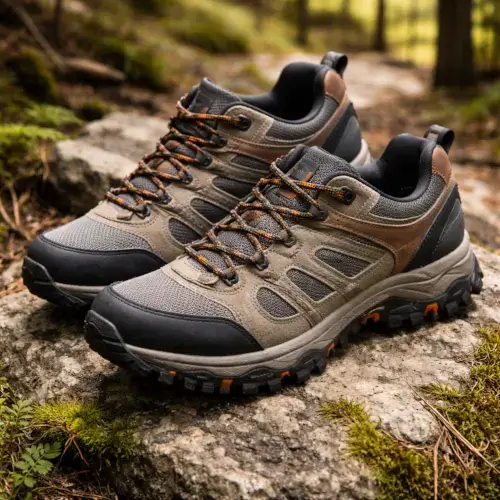
- Wear appropriate footwear. For easy beginner trails, any comfortable trainers or running shoes with good grip are adequate. Avoid flat-soled shoes, sandals, or brand-new footwear that hasn't been broken in — the latter is a leading cause of blisters on early hikes. If you plan to hike regularly, trail running shoes from brands like Salomon, Merrell, or Hoka offer significantly better grip and underfoot protection on uneven terrain.
- Pack the ten essentials — even on short hikes. The "Ten Essentials" is a framework developed by The Mountaineers that covers the key items every hiker should carry: navigation (phone with offline maps downloaded), sun protection, insulation (extra layer), illumination (phone torch), first aid kit, fire starter, repair tools and knife, nutrition (snacks), hydration (water), and emergency shelter (foil blanket). Most of these fit in a small daypack and together weigh under 2kg.
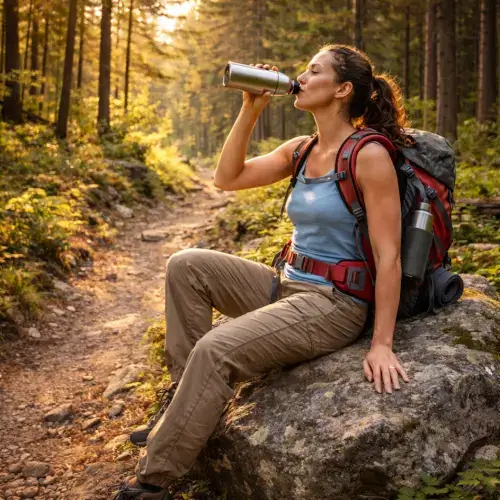
- Carry enough water — more than you think you need. Dehydration is the most common preventable cause of difficulty on the trail. The general guideline from the American Hiking Society is 500ml of water per hour of moderate hiking in normal conditions — more in heat. A 1.5–2 litre capacity is appropriate for most beginner day hikes. A hydration bladder from brands like CamelBak or Osprey makes drinking on the move easier than repeatedly opening a bottle.
- Download offline trail maps before you leave. Mobile signal is unreliable or absent on many trails. AllTrails Pro and the free OS Maps app both allow offline map downloads so your navigation works without signal. Before any hike, download the trail map while connected to Wi-Fi. Familiarise yourself with the route and note any key junctions or landmarks. Sharing your planned route and estimated return time with a contact at home is good safety practice.
- Dress in layers and always bring a waterproof. Weather in natural environments changes faster than in urban settings, and temperature drops significantly with elevation gain. The layering system — a moisture-wicking base layer, an insulating mid-layer, and a waterproof outer shell — gives you flexibility for changing conditions. A lightweight packable waterproof jacket from brands like Patagonia, Columbia, or Decathlon's Quechua range can be compressed to the size of a water bottle and adds minimal weight to a pack.
- Learn and practise Leave No Trace principles. Leave No Trace (LNT) is the internationally recognised framework for minimising human impact on natural environments. Its seven core principles — plan ahead, travel on durable surfaces, dispose of waste properly, leave what you find, minimise campfire impacts, respect wildlife, and be considerate of other visitors — are outlined in full at lnt.org. Following LNT principles is both an ethical responsibility for hikers and a legal requirement in many national parks worldwide.
What Equipment Do I Need to Start Hiking — and How Much Will It Cost?
Hiking is one of the lowest-barrier hobbies to begin because most people already own sufficient gear for their first few outings. The table below compares what a beginner and an intermediate hiker typically uses, with approximate prices in USD.
| Item | Beginner (Budget) | Intermediate (Mid-Range) |
|---|---|---|
| Footwear | $0 — use existing trainers with grip | $90–$160 (trail runners or boots, Salomon or Merrell) |
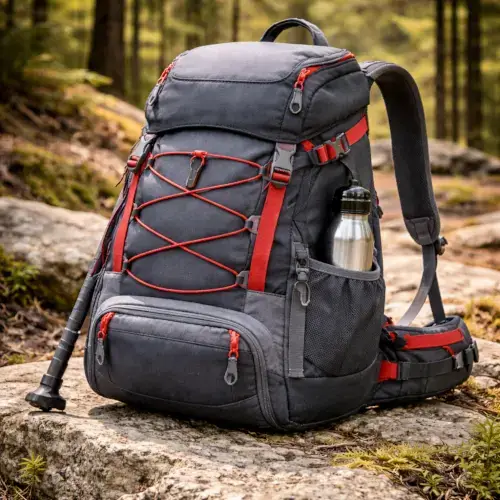
| Daypack / backpack | $20–$35 (20–25L basic daypack) | $60–$120 (Osprey Talon or Deuter Speed Lite, 20–32L) |
| Water bottle or hydration bladder | $10–$15 (Nalgene 1L wide-mouth) | $30–$55 (CamelBak 2L hydration bladder) |
| Waterproof jacket | $20–$40 (Decathlon Quechua packable rain jacket) | $90–$200 (Patagonia Torrentshell or Columbia Watertight) |
| Navigation app | $0 (AllTrails free tier or OS Maps basic) | $30–$40/year (AllTrails Pro or OS Maps premium) |
| Trekking poles | Not required at beginner stage | $40–$120 (Black Diamond Trail or Leki Makalu Lite) |
| First aid kit | $10–$15 (basic compact trail kit) | $25–$45 (Adventure Medical Kits Trail Series) |
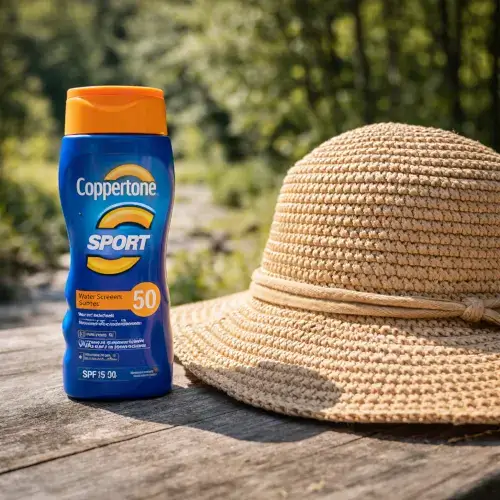
| Sun protection (hat + sunscreen) | $10–$20 (existing items) | $30–$55 (UV-rated sun hat + SPF 50 sunscreen) |
| Estimated total (starter) | $50–$125 | $365–$755+ |
The beginner total assumes you already own suitable trainers and basic clothing. Hiking is one of the few hobbies where spending more does not necessarily mean enjoying more — many experienced hikers prefer lightweight budget gear on easy trails. Investment in higher-quality footwear and a well-fitting pack becomes genuinely worthwhile only as trail difficulty and distance increase.
Is Hiking Difficult for Beginners? Top Tips to Get Started Safely
Hiking is genuinely one of the most beginner-friendly hobbies available — but a handful of common mistakes catch new hikers off guard. These tips will help you have a better first experience and build good habits from the start.
- Start shorter and easier than you think necessary. The single most common beginner mistake is overestimating fitness on the first hike. A trail that looks short on a map can take far longer than expected when accounting for elevation gain, terrain, and rest stops. Finishing a hike with energy to spare is far better than struggling back to the trailhead exhausted. Increase distance and difficulty gradually over multiple outings.
- Turn back before the halfway point if you're struggling. The midpoint of a hike is not the best place to realise you have overextended — you still have the same distance to return. A practical rule used by experienced hikers is to assess how you feel at one-third of the planned distance: if you are already tired, turn around. You will still have completed a meaningful hike and can plan more accurately for next time.
- Break in new footwear before taking it on a long trail. New hiking shoes or boots cause blisters on first wear if taken straight to a multi-hour hike. Wear any new footwear on short walks around your neighbourhood for a week or two before trusting it on the trail. Carry Compeed blister plasters regardless — they are the most effective blister treatment available and take up almost no space.
- Check the weather before every hike — not just the morning of. Weather forecasts for natural environments, particularly at elevation, should be checked 24–48 hours in advance using a location-specific forecast from services such as Mountain Forecast (mountain-forecast.com) for elevated terrain or the Met Office and Weather.com for general outdoor use. Conditions can deteriorate quickly — a planned sunny hike can become a cold, wet one within an hour if a front moves in unexpectedly.
- Eat before you start and bring snacks. Hiking burns significantly more calories than walking on flat pavement, particularly on hilly terrain. Starting a hike with a proper meal and carrying energy-dense snacks — nuts, dried fruit, energy bars — prevents the fatigue and poor decision-making that accompany low blood sugar on the trail. Eating small amounts regularly throughout a hike maintains energy better than waiting until you feel hungry.
- Tell someone where you are going and when to expect you back. This takes 30 seconds and is the most important safety step available to solo hikers. If you are injured or become lost, a contact who knows your planned route and expected return time can trigger a search significantly faster than if your whereabouts are unknown. AllTrails also has a share-my-hike feature that sends a real-time GPS link to a nominated contact for the duration of a hike.
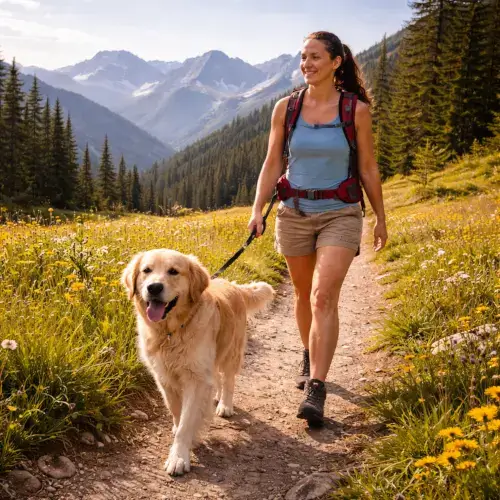
- Respect other trail users and wildlife. Hikers yield to horses; cyclists yield to hikers. On narrow trails, downhill hikers typically yield to those climbing, who require more effort to maintain momentum. Keep dogs on leads in areas where it is required, and store food securely in wildlife-active areas to avoid attracting animals. Following these conventions makes the trail safer and more enjoyable for everyone.
What Are the Benefits of Hiking as a Hobby?
Hiking offers an exceptionally broad range of physical, mental, and social benefits — supported by some of the most robust research of any recreational activity.
- Cardiovascular health: A 2018 meta-analysis published in the British Journal of Sports Medicine, reviewing data from over 280,000 participants, found that regular walking — including hiking — was associated with a 20% reduction in cardiovascular disease risk and a 23% reduction in all-cause mortality. The combination of varied terrain and elevation gain makes hiking a more effective cardiovascular workout than flat walking at equivalent speeds.
- Mental health and stress reduction: A landmark 2015 Stanford University study found that participants who walked for 90 minutes in a natural environment showed significantly reduced neural activity in the subgenual prefrontal cortex — the brain region associated with rumination and repetitive negative thinking — compared with those who walked in an urban environment. Nature exposure also measurably reduces cortisol levels, blood pressure, and self-reported anxiety.
- Musculoskeletal strength and balance: Hiking on uneven terrain actively engages stabiliser muscles in the ankles, knees, and hips that flat-surface exercise leaves largely dormant. Regular hiking improves balance, proprioception, and lower-body strength — all of which have documented benefits for injury prevention and functional mobility as people age. Descending steep trails is particularly effective for eccentric quadriceps strength development.
- Accessible to all fitness levels: Unlike most sports, hiking scales perfectly to the individual. The same trail that a beginner finds gently challenging is effortless for an experienced hiker — and the same mountain range offers routes that span from a 45-minute family walk to a multi-day expedition. There is no minimum fitness requirement to begin, and the hobby naturally builds the fitness required for progressively harder trails over time.
- Low cost and widely accessible: The vast majority of hiking trails globally are free to access. Unlike gym memberships, equipment subscriptions, or sports club fees, hiking requires no ongoing financial commitment beyond the gear you already own. The Outdoor Industry Association estimates that outdoor recreation — led by hiking — generates $788 billion annually in consumer spending in the US, reflecting how deeply embedded the hobby is across income levels and demographics.
- Connection with nature and improved wellbeing: Repeated exposure to natural environments has been associated with what researchers call "attention restoration" — the recovery of directed attention capacity depleted by screen time, urban noise, and cognitive demands of daily life. A 2019 study published in Scientific Reports found that spending at least 120 minutes per week in nature was significantly associated with better health and wellbeing, with a pronounced dose-response effect up to around 300 minutes per week.
Frequently Asked Questions About Hiking for Beginners
What should a beginner hiker bring on their first hike?
For a first hike, beginners should bring water (at least 500ml per hour of walking), a small snack, a fully charged phone with a trail navigation app such as AllTrails, a basic first aid kit, sunscreen, and weather-appropriate clothing including a lightweight waterproof layer. Comfortable walking shoes or trainers with good grip are sufficient for most beginner trails. A small daypack holds everything needed without adding significant weight.
How long should a beginner hike be?
A good first hike for beginners is 3–6 kilometres (roughly 2–4 miles) on a well-marked, low-elevation trail. This typically takes 1–2 hours at a comfortable pace and is challenging enough to feel rewarding without risking exhaustion or injury. The American Hiking Society recommends that new hikers choose trails rated "easy" on apps like AllTrails, building distance and elevation gain gradually over successive outings as fitness and confidence grow.
Do I need special shoes for hiking?
For beginner hiking on well-maintained trails, a sturdy pair of trainers or running shoes with good grip are adequate. Dedicated hiking footwear — trail running shoes or ankle-supporting boots from brands like Salomon, Merrell, or Hoka — becomes more beneficial on uneven, rocky, or wet terrain and for hikes over 10km. Waterproof footwear is worth prioritising in wet climates. Avoid flat-soled shoes, sandals, or new footwear that hasn't been broken in.
Is hiking good exercise for beginners?
Yes — hiking is one of the most effective and accessible forms of exercise for beginners. A 2018 study published in the American Journal of Preventive Medicine found that walking in natural outdoor environments produced greater health benefits and higher long-term adherence than equivalent indoor exercise. A 60-minute moderate hike burns approximately 300–400 calories for an average adult, while building cardiovascular fitness, leg strength, and balance simultaneously.
How do I find good hiking trails near me?
AllTrails is the most widely used trail discovery platform globally, with over 50 million users and listings for more than 400,000 trails across 100 countries. The app allows filtering by difficulty, length, elevation gain, and trail type, and includes user reviews and up-to-date condition reports. For UK hikers, the OS Maps app provides the most detailed trail mapping available. National park websites and local walking clubs are also reliable sources of curated beginner routes.