DIY & Making
Knitting for Beginners: Your Complete Getting Started Guide
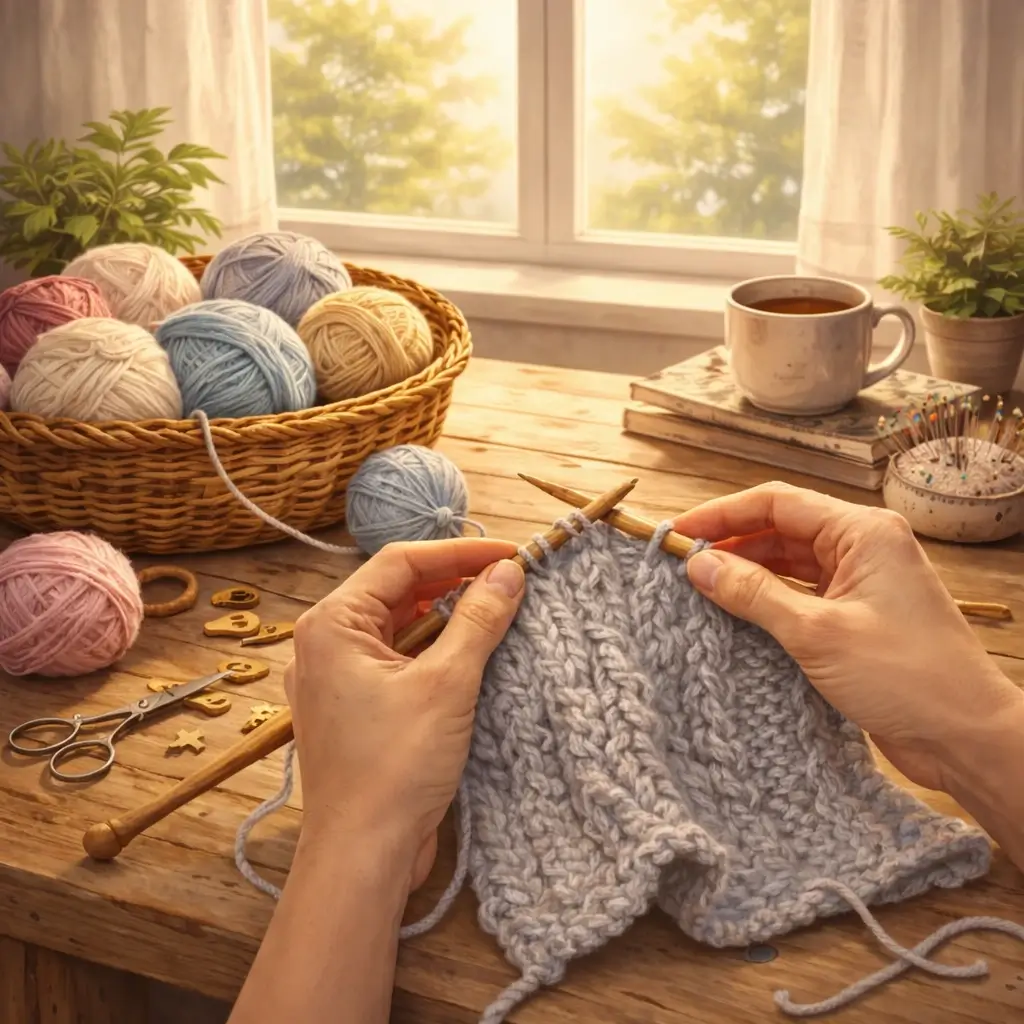
Knitting is a craft hobby in which you use two needles and yarn to create fabric by looping stitches together in sequence. Whether you want to make a cosy scarf, a warm jumper, or a decorative home item, knitting for beginners is far more approachable than most people expect — and it can be started for as little as $15.
Knitting at a Glance
- Origins: Knitting is believed to have originated in the Middle East around the 11th century CE; the earliest surviving knitted items were discovered in Egypt
- Community size: Ravelry — the world's largest knitting platform — has over 9 million registered members as of 2024
- Core tools: Knitting needles (bamboo, metal, or plastic), yarn, tapestry needle, scissors, and stitch markers
- Start-up cost: As little as $15–$40 for yarn, needles, and a free beginner pattern
- Time to first project: Most beginners complete a simple dishcloth or scarf within 1–3 weeks
- Physical demand: Very low — a seated craft suitable for all ages and abilities
- Mental health benefit: A 2013 survey of 3,545 knitters published in the British Journal of Occupational Therapy found 81% reported feeling calmer after knitting
What Is Knitting and Why Is It Such a Popular Hobby?
Knitting is a textile craft in which two or more needles are used to pull loops of yarn through one another in a sequence of stitches, creating a continuous piece of fabric. The two foundational stitches — the knit stitch and the purl stitch — form the building blocks of virtually every knitting pattern in existence. By combining these two stitches in different sequences and using different needle sizes and yarn weights, knitters can create everything from lightweight summer tops to thick winter blankets.
According to a 2020 survey published by the Craft Yarn Council, approximately 32 million people in the United States alone identify as knitters or crocheters, with the hobby seeing consistent growth in younger demographics since 2015. Globally, the online knitting community on Ravelry — the craft's dedicated social network and pattern library — surpassed 9 million members in 2024, making knitting one of the most widely practised hand crafts in the world. Interest spiked sharply during the COVID-19 pandemic and has remained elevated since.
HobbyZHQ covers knitting as part of our DIY & Making category, where you'll find hands-on hobbies that let you build and create things with your own hands.
How Do I Get Started with Knitting as a Beginner?
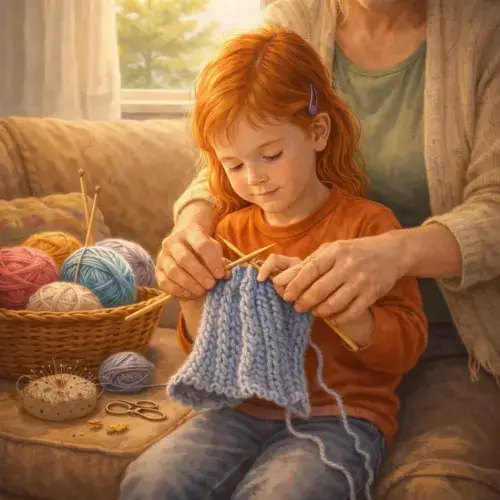
Getting started with knitting for beginners is simpler than most new crafters expect. You need very little equipment and no prior experience — just a few hours of patience and a willingness to practise. Follow these steps to build a solid foundation from your very first session.
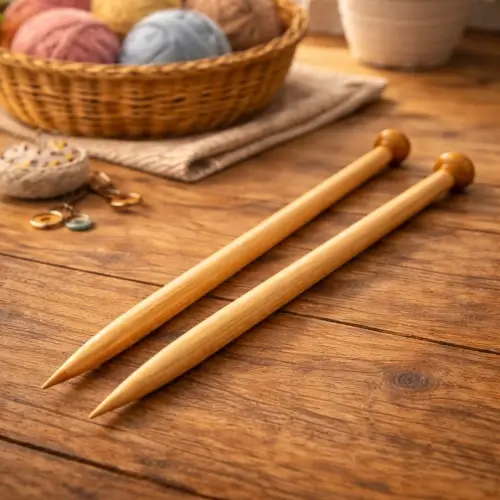
- Buy a beginner-friendly yarn and needle set. Choose a smooth, medium-weight (DK or worsted) yarn in a light, solid colour — light colours make individual stitches easier to see. Pair it with 4mm or 5mm knitting needles, the most commonly recommended size for beginners. Acrylic yarn from brands like Lion Brand, Paintbox, or Drops is ideal: affordable, machine washable, and forgiving to work with.
- Learn to cast on. Casting on is the process of creating your first row of stitches on the needle — the starting point for every knitting project. The long-tail cast on and the knitted cast on are the two most common methods for beginners. Both are demonstrated clearly in hundreds of free video tutorials on YouTube channels such as VeryPinkKnits and KnittingHelp.com.
- Master the knit stitch. The knit stitch is the first of two foundational techniques. Working only knit stitches on every row produces a simple, flat fabric called garter stitch — the most beginner-friendly fabric to make and an excellent starting point. Practise the knit stitch until it feels fluid and consistent before moving on.
- Learn the purl stitch. The purl stitch is the second foundational technique. Alternating rows of knit and purl stitches creates stockinette — the smooth, V-textured fabric used in the majority of knitted garments. Together, the knit and purl stitches form the basis for virtually every stitch pattern in existence.
- Start your first proper project. A dishcloth or a simple flat scarf is the ideal first project. Both are worked flat in rows, use only basic stitches, and produce a visible, useful result quickly — which provides essential motivation to continue. Free beginner patterns are available on Ravelry, LoveCrafts, and the Drops Design website at no cost.
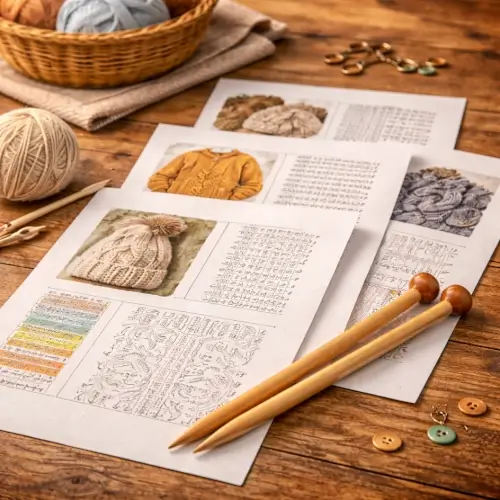
- Learn to read a knitting pattern. Knitting patterns use standard abbreviations: K = knit, P = purl, CO = cast on, BO = bind off. A one-page pattern glossary from the Craft Yarn Council (available free at craftyarncouncil.com) decodes the most common abbreviations — worth printing and keeping nearby when working from written patterns for the first time.
- Join a knitting community for support. Ravelry.com is the world's largest knitting community and pattern database, with over 9 million members, hundreds of thousands of free patterns, and active forums for every skill level. Local knitting groups — often called "stitch and bitch" or "knit and natter" circles — meet in cafés, libraries, and yarn shops in most towns and cities worldwide.
What Equipment Do I Need to Start Knitting — and How Much Will It Cost?
Knitting is one of the most affordable creative hobbies you can start. The table below compares what a beginner and an intermediate knitter typically uses, with approximate prices in USD.
| Item | Beginner (Budget) | Intermediate (Mid-Range) |
|---|---|---|
| Knitting needles (single pair) | $5–$10 (bamboo or plastic, 4–5mm) | $20–$45 (interchangeable set, Addi or ChiaoGoo) |
| Yarn (per skein) | $5–$10 (acrylic DK/worsted, Lion Brand or Paintbox) | $15–$35 (merino wool or cotton, Drops or Malabrigo) |
| Tapestry needle | $2–$4 (pack of 3) | $6–$10 (ergonomic blunt needle set) |
| Stitch markers | $3–$5 (plastic split-ring markers) | $8–$15 (locking markers + row counter set) |
| Scissors | $3–$6 (small craft scissors) | $10–$20 (folding travel scissors or embroidery snips) |
| Knitting bag or case | $0 — any tote bag works | $20–$50 (dedicated knitting project bag) |
| Pattern (first project) | $0 (hundreds of free patterns on Ravelry) | $4–$8 (premium designer pattern, downloadable PDF) |
| Estimated total (starter) | $18–$35 | $80–$175+ |
Knitting costs scale primarily with yarn choice. A skein of budget acrylic yarn costs $5–$10 and is perfectly suitable for learning, while luxury fibres such as cashmere, alpaca, or hand-dyed indie yarn can cost $30–$60 per skein. Most experienced knitters build a mix of both in their stash over time.
Is Knitting Hard to Learn? Top Tips for Beginner Knitters
Knitting has a reputation for being fiddly at first, but most beginners pick up the basics far quicker than they expect. The key is starting with the right materials and the right approach. These tips will help you progress faster and avoid the frustrations that trip up most new knitters.
- Start with smooth, light-coloured yarn. Textured or dark yarn makes it nearly impossible to see individual stitches when you are learning. A plain, pale acrylic yarn in worsted weight is the most forgiving option for beginners and makes it easy to spot and correct mistakes early.
- Don't cast on too many stitches. A cast-on row of 15–20 stitches is more than enough to practise the knit and purl stitches. Casting on 60 stitches for your first swatch looks ambitious but creates a wide, unwieldy piece that is more frustrating than useful at this stage.
- Watch video tutorials, not just diagrams. Knitting is a physical, tactile skill that is far easier to learn from video than from written instructions or static diagrams. YouTube channels such as VeryPinkKnits (Staci Perry) and Sheep and Stitch offer clear, slow-paced beginner tutorials designed for visual learners.
- Tension comes with practice — don't force it. Tension (how tightly or loosely you hold the yarn) is the single most common source of frustration for beginners. Uneven tension produces uneven fabric. Rather than trying to correct it mechanically, simply keep practising — it self-regulates naturally after a few sessions.
- Don't panic when you drop a stitch. Dropped stitches — where a live loop slips off the needle — are a completely normal part of learning to knit. A tapestry needle or a crochet hook can retrieve a dropped stitch and put it back on the needle. Many beginners find a YouTube tutorial on "fixing dropped stitches" invaluable in their early weeks.
- Count your stitches at the end of every row. One of the most common beginner mistakes is accidentally adding or losing stitches, causing the edges of a project to widen or narrow. Counting at the end of each row takes five seconds and catches errors before they become embedded problems.
- Aim to finish a small project as soon as possible. Completing something small — even a simple square or dishcloth — provides a genuine sense of achievement that keeps motivation high. Prioritise finishing something before tackling anything ambitious.
What Are the Benefits of Knitting as a Hobby?
Knitting offers a broad range of mental, physical, and social benefits — many of which are supported by published research.
- Stress and anxiety reduction: A 2013 international survey of 3,545 knitters published in the British Journal of Occupational Therapy found that 81.5% of respondents reported feeling calmer after knitting, and 54% said knitting helped them manage stress. The repetitive, rhythmic nature of knitting activates the parasympathetic nervous system — the same mechanism responsible for the relaxation response in meditation.
- Mindfulness and sustained focus: Knitting requires gentle, sustained attention on a single task, naturally limiting screen time and encouraging a state of flow. A 2012 study published in Occupational Therapy in Mental Health found knitting to be a significant contributor to wellbeing and sense of purpose across multiple age groups.
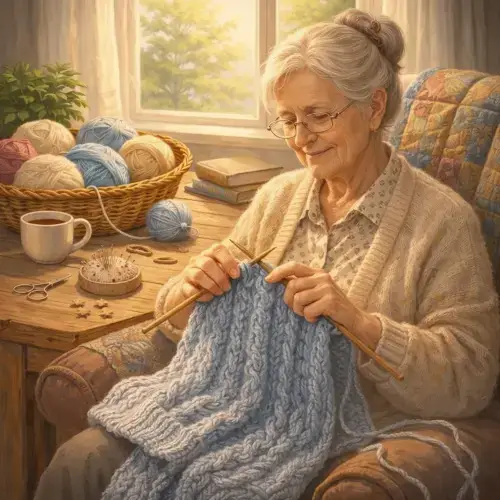
- Fine motor skill maintenance: The coordinated hand and finger movements required in knitting exercise fine motor precision and dexterity. This makes knitting particularly valuable for older adults as a practical way to maintain hand function and coordination over time.
- Cognitive stimulation: Following knitting patterns requires numeracy, pattern recognition, spatial reasoning, and short-term memory. A 2013 study from the Mayo Clinic found that crafting activities including knitting were associated with a 30–40% reduced odds of developing mild cognitive impairment in older adults.
- Community and social connection: Knitting groups — online and in-person — provide a structured social environment accessible to people of all ages and backgrounds. The Ravelry platform alone hosts thousands of active groups, and local knitting circles operate in towns and cities worldwide.
- Tangible, lasting output: Unlike many hobbies, knitting produces durable, functional objects. Items such as jumpers, blankets, hats, and baby clothing have real-world utility and can be gifted, sold, or donated — giving knitting a sense of purpose and permanence that purely digital pursuits often lack.
Frequently Asked Questions About Knitting for Beginners
How much does it cost to start knitting?
Getting started with knitting typically costs between $15 and $40. A beginner yarn skein costs $5–$10, a pair of knitting needles runs $5–$15, and a simple pattern is free online. Craft retailers such as Hobbycraft and Michaels regularly stock beginner knitting kits for under $20, which include yarn, needles, and a starter pattern — making knitting one of the most affordable creative hobbies to begin.
How long does it take to learn how to knit?
Most beginners can learn the two foundational stitches — knit and purl — in a single session of 1–2 hours. Completing a first simple project like a dishcloth or scarf typically takes 1–3 weeks of occasional practice. Reaching a comfortable intermediate level, where you can follow most standard patterns independently, usually takes 3–6 months of regular knitting. The Craft Yarn Council estimates that knitters see consistent skill progression within their first year.
Is knitting difficult to learn?
Knitting is considered one of the most beginner-friendly crafts available. The two basic stitches — knit and purl — form the foundation for the vast majority of patterns, and both can be learned from a short video tutorial or a single beginner class. Mistakes in knitting are easy to unpick and correct, making the learning process forgiving. Most beginners can complete a simple project within their first few sessions.
What is the difference between knitting and crochet?
Knitting uses two straight or circular needles to loop yarn into interlocking stitches, working with multiple live stitches at once. Crochet uses a single hooked tool and works one stitch at a time. Knitted fabric tends to be more elastic and drapes more softly — well suited for garments. Crocheted fabric is typically thicker and more structured, better suited for bags, amigurumi toys, and home decor. Both crafts use the same types of yarn.
What type of yarn is best for a beginner knitter?
Beginners should choose a smooth, medium-weight (DK or worsted, weight 3 or 4) yarn in a light, solid colour. Smooth yarn makes it easier to see individual stitches, and light colours make mistakes more visible. Acrylic yarn from brands like Lion Brand, Paintbox, or Drops is ideal — machine washable, inexpensive, and widely available. Avoid textured, fuzzy, or very dark yarns until you are comfortable with the basic stitches.