Games & Play
Speedrunning for Beginners: Your Complete Getting Started Guide
Speedrunning is a gaming hobby in which players aim to complete a video game — or a defined section of one — in the shortest possible time. Whether you want to chase a world record or simply beat your own best time, speedrunning for beginners is more accessible than it looks, and it can be started with equipment you already own.
Speedrunning at a Glance
- Origins: Modern competitive speedrunning emerged in the early 1990s; SpeedDemosArchive.com (SDA), the first major run repository, launched in 1998
- Community size: Speedrun.com hosts records for over 850,000 game categories and has more than 4 million registered users as of 2024
- Core tools: A game, a gaming device (PC or console), and the free timing app LiveSplit
- Start-up cost: $0 if you already own a suitable game — full setup rarely exceeds $30 for beginners
- Most popular beginner games: Celeste, Portal, Super Mario Bros., A Short Hike, and Minecraft
- Physical demand: Very low — primarily seated, though sustained mental focus and reaction time are central to improvement
- Charity reach: Games Done Quick (GDQ), the community's flagship charity marathon, has raised over $50 million for causes including Médecins Sans Frontières since 2010
What Is Speedrunning and Why Is It Such a Popular Hobby?
Speedrunning is the practice of completing a video game, or a clearly defined in-game objective, in the shortest possible recorded time. Rather than playing for story, exploration, or casual enjoyment, speedrunners study the mechanics of a game in depth — identifying the fastest routes, exploiting programming quirks (known as glitches or skips), and practising sequences of inputs until they become automatic. A run is typically timed from the moment player control begins to a defined endpoint, such as the final boss being defeated or the credits rolling.
According to Speedrun.com — the community's primary leaderboard platform — more than 4 million runners have submitted times across over 850,000 individual game categories as of 2024. The hobby gained significant mainstream visibility through Games Done Quick, a biannual charity marathon broadcast live on Twitch that regularly attracts over 100,000 concurrent viewers. A 2023 Twitch audience report identified speedrunning as one of the platform's fastest-growing content categories, driven by both solo streamers and large community events.
HobbyZHQ covers speedrunning as part of our Games & Play category, where you'll find competitive, creative, and casual gaming hobbies for every type of player.

How Do I Get Started with Speedrunning as a Beginner?
Getting started with speedrunning for beginners is straightforward when you approach it in the right order. You don't need a fast PC, specialised hardware, or years of gaming experience — just a game you enjoy and a willingness to study it more deeply than you have before.
- Choose a game you already know. Familiarity with a game's layout and mechanics is the single biggest advantage a new speedrunner can have. Choose something you have already completed at least once. Short games — under two hours for a standard run — are ideal for beginners because the full route is manageable and mistakes don't cost as much time. Popular beginner choices include Celeste, Portal, Super Mario Bros., and A Short Hike.
- Research the category you want to run. Visit Speedrun.com and find your game's leaderboard. Most games offer several categories: Any% (finish as fast as possible by any means), Glitchless (same goal but without exploiting programming errors), and 100% (full completion). Beginners typically start with Any% or Glitchless, depending on personal preference. Read the category rules carefully — each has specific definitions of what counts as the start and end of a run.
- Watch existing runs and beginner guides. Before attempting a run, watch the current world record and — more importantly — look for a dedicated "beginner's guide" or "new runner tutorial" in the game's Speedrun.com resources tab or associated Discord server. These guides explain the route, key skips, and common mistakes without assuming prior knowledge. YouTube is also an excellent source: many active speedrunners publish structured tutorial series for their chosen games.
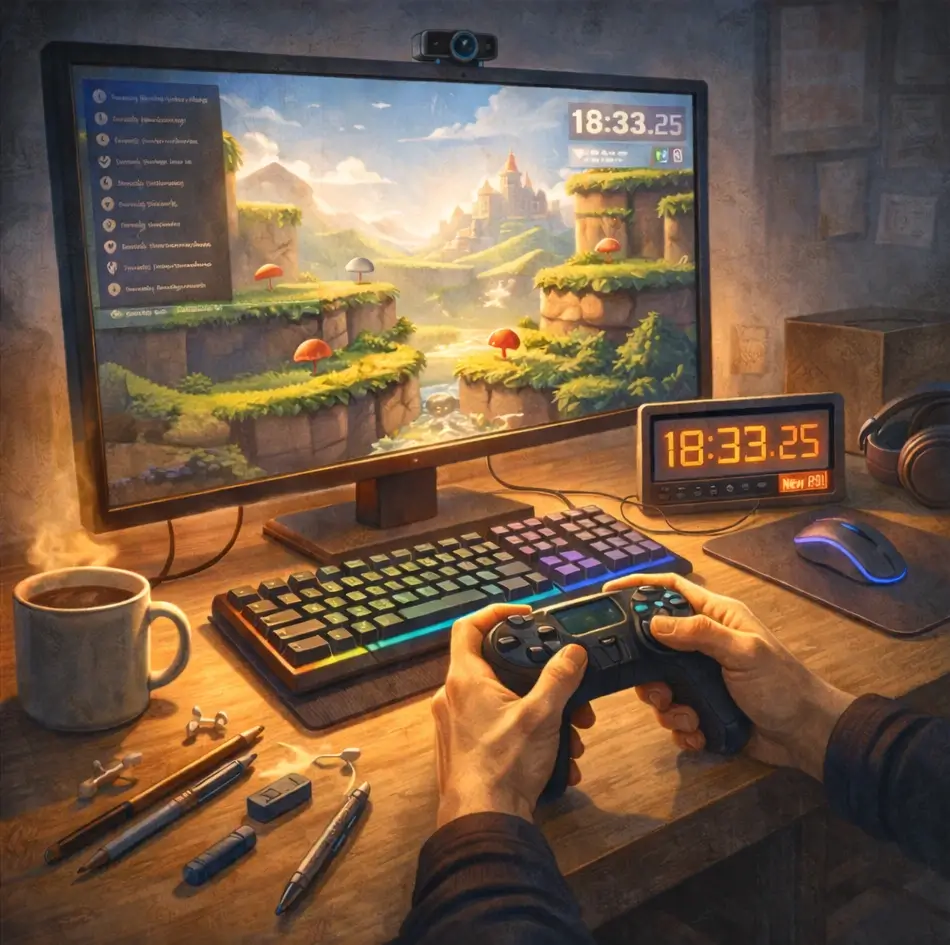
- Install LiveSplit for timing. LiveSplit is the free, open-source timing application used as standard across the entire speedrunning community. Available at livesplit.org, it allows you to set up split points at key moments in the run (for example, after each boss or level), tracks your pace against previous attempts, and saves a permanent history of all your runs. Most games have a pre-built LiveSplit layout available for download from the community, so setup takes minutes.
- Learn the route segment by segment. Rather than attempting full runs immediately, practise the route in sections. Many games support save states or practice ROMs that let you start from any point. Drilling individual sections until they feel comfortable before connecting them into a full run dramatically reduces frustration and accelerates learning. The speedrunning community calls this "subsection practice" and it is the standard approach at every skill level.
- Attempt your first full run. Once you are familiar with the route, attempt a complete run from start to finish. Expect it to go wrong — resets and failed attempts are a completely normal part of the process, including for experienced runners. Your first completed run time is your opening personal best (PB), and every subsequent run is measured against it.
- Join the game's community and submit your time. Most speedrunning games have dedicated Discord servers where runners share routes, ask questions, and celebrate milestones. Joining the Discord for your chosen game is one of the most effective ways to improve quickly. When you have a completed run you want to record, submit it to Speedrun.com — the moderation process is straightforward, and seeing your name on a leaderboard is a powerful motivator.
What Equipment Do I Need to Start Speedrunning — and How Much Will It Cost?
Speedrunning is one of the most affordable hobbies available because it primarily uses equipment most gamers already own. The table below outlines what a beginner and an intermediate runner typically needs, with approximate prices in USD.
| Item | Beginner (Budget) | Intermediate (Mid-Range) |
|---|---|---|
| Game | $0 (already owned) or $5–$30 (digital copy) | Same — game choice matters far more than cost |
| Gaming device (PC or console) | $0 — use what you already own | $0 — device upgrades rarely affect run quality |
| Timing software (LiveSplit) | $0 — free and open-source at livesplit.org | $0 — same tool used at every level |
| Capture card (for recording/streaming) | Not required at beginner stage | $60–$150 (Elgato HD60 X or AVerMedia Live Gamer) |
| Streaming software (OBS) | $0 — free and open-source at obsproject.com | $0 — same tool used by professionals |
| Microphone (for streaming) | Not required | $30–$80 (Blue Snowball or HyperX SoloCast) |
| External storage (for run archives) | Not required | $40–$80 (1TB external SSD) |
| Estimated total (starter) | $0–$30 | $130–$340+ |
The only genuinely unavoidable cost for a new speedrunner is the game itself — and many runners begin with a title they have already purchased. Unlike most gaming pursuits, spending more money on hardware rarely produces faster times. Speedrunning rewards knowledge and practice, not equipment.
Is Speedrunning Hard to Learn? Top Tips for Beginner Speedrunners
Speedrunning has a reputation for requiring elite skill, but the vast majority of active runners are hobbyists who simply enjoy improving their own times. The biggest barrier is not ability — it is knowing where to start. These tips will help you make real progress from your very first session.
- Pick a short game for your first run. A game completable in under 90 minutes at a comfortable pace keeps early sessions manageable, reduces the cost of resets, and lets you see the full route quickly. Long RPGs and open-world games are rewarding for experienced runners but overwhelming for beginners still learning fundamental techniques.
- Don't start in the hardest category. Any% runs with major skips can look very different from a normal playthrough — entire sections of the game are bypassed, and the "route" can feel confusing without context. If a game has a Glitchless or Beginner category, start there. It runs closer to a normal playthrough while still teaching the mindset of optimised movement and decision-making.
- Study the world record run before your first attempt. Watch the current world record for your chosen game and category. You don't need to memorise it, but understanding what a polished run looks like gives you a mental map of the route and highlights the moments where the most time is saved. Many WR runners also provide timestamps and commentary.
- Use practice tools whenever the game supports them. Save states, practice ROMs, and level-select modes allow you to drill specific sections without replaying the entire game each time. Isolating a tricky jump sequence or a tight movement pattern and practising it hundreds of times in isolation is faster than attempting full runs and hoping the moment goes well.
- Chase your personal best before chasing leaderboards. Comparing your early times against world records is demoralising and largely meaningless. Focus entirely on beating your own previous time — this is called improving your PB (personal best) — and treat the leaderboard as a long-term reference rather than an immediate benchmark.
- Join the Discord server for your game. Every active speedrunning community maintains a Discord server where runners of all levels discuss routes, share tips, celebrate milestones, and help newcomers. A quick question in the "new runners" channel will typically get a detailed response within hours. The speedrunning community has a widely recognised reputation for being welcoming and patient with beginners.
- Reset early and often — it is part of the process. Experienced speedrunners reset runs the moment they fall significantly behind pace, rather than completing a run that will be a personal worst. Learning when to reset is a skill in itself. Early in your speedrunning journey, finishing runs matters more than resetting — but as your route knowledge grows, strategic resets become a normal and efficient part of the practice cycle.
What Are the Benefits of Speedrunning as a Hobby?
Speedrunning offers a distinctive combination of cognitive, social, and creative benefits that set it apart from standard gaming.
- Deep mastery and expertise: Speedrunning transforms passive consumption of a game into active, analytical study. Runners develop an unusually thorough understanding of a game's mechanics, structure, and code — a form of mastery that most players who complete a game once never approach. This depth of knowledge is intrinsically satisfying and directly translates to measurable skill improvement over time.
- Problem-solving and pattern recognition: Identifying faster routes, understanding why skips work, and optimising movement sequences all require systematic analytical thinking. A 2021 study from the University of Rochester found that action video game players showed measurably faster and more accurate pattern recognition than non-players — a cognitive benefit that applies directly to the analytical demands of speedrunning.
- Goal-setting and measurable progress: Unlike many hobbies where improvement is subjective, speedrunning offers a precise, objective measure of progress: your time. Every run produces a data point. Shaving seconds from a personal best provides immediate, concrete feedback that makes progress visible and motivating in a way few other hobbies can match.
- Community and social connection: The speedrunning community operates through Twitch, YouTube, Discord, and live events like Games Done Quick. Runners at every level share resources freely, celebrate each other's improvements, and collaborate on route discovery. Games Done Quick has raised over $50 million for charities since 2010, demonstrating a community ethos that goes well beyond competitive gaming.
- Near-zero cost: Speedrunning is one of the only gaming hobbies where additional spending on equipment or games provides almost no competitive advantage. The knowledge of a route and the precision of execution are what separate fast runners from slow ones — not hardware. This makes it genuinely accessible regardless of budget.
- Extends the life of games you already own: Speedrunning gives existing games an entirely new dimension. A title you have completed and set aside becomes a source of hundreds of hours of additional engagement when approached as a speedrunning project. Many runners maintain deep, active relationships with games they first played a decade or more ago.
Frequently Asked Questions About Speedrunning for Beginners
What games are best for beginner speedrunners?
The best games for beginner speedrunners are short, well-documented titles with active communities. Popular starter choices include Celeste, Portal, Super Mario Bros., and A Short Hike — all under two hours for a standard run and supported by detailed beginner guides on Speedrun.com. Picking a game you already enjoy is more important than choosing a "meta" game, as familiarity with the layout and mechanics dramatically shortens the learning curve.
How do I time my speedruns?
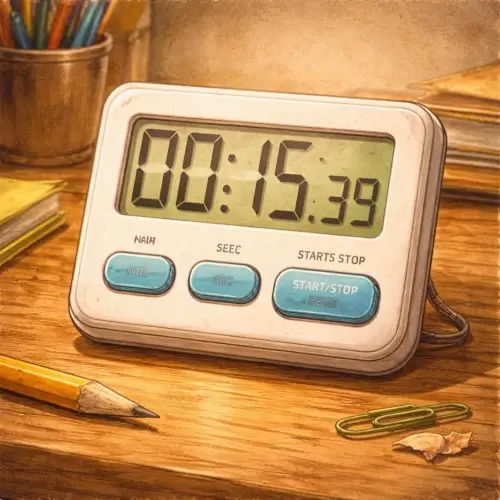
The standard timing tool used by the speedrunning community is LiveSplit — a free, open-source application available at livesplit.org. LiveSplit allows you to set up split points at key moments in the run, automatically calculates your pace against a personal best, and saves your run history. Most speedrunners run LiveSplit on a second monitor or visible on screen. For casual practice, even a phone stopwatch is a perfectly acceptable starting point.
What does Any% mean in speedrunning?
Any% is the most common speedrunning category. It means the runner completes the game as fast as possible using any method available — including glitches, skips, and exploits — with no restrictions on completion percentage. Other major categories include 100%, which requires all collectibles or objectives, and Glitchless, which bans programming exploits for a more grounded run. Most games on Speedrun.com support multiple categories, and beginners typically start with Any% or a Glitchless variant.
Do I need special equipment to start speedrunning?
No special equipment is required to start speedrunning. Any PC, console, or handheld device you already own is sufficient. The free timing software LiveSplit handles all timing needs at no cost. A capture card is only necessary if you intend to stream or record your runs — and even then, it is entirely optional. The vast majority of beginners start with equipment they already have and add tools only as their involvement grows.
Is speedrunning competitive or can I just do it casually?
Speedrunning suits both approaches equally well. Many runners never submit to leaderboards and simply enjoy the personal challenge of beating their own best time — known as chasing a PB (personal best). Competitive runners submit times to Speedrun.com to rank against others worldwide, and some participate in live events such as Games Done Quick. There is no requirement to compete, and the community is widely regarded as welcoming to runners of all ability levels and motivations.