Fitness, Sport & Movement
Golf for Beginners: Your Complete Getting Started Guide
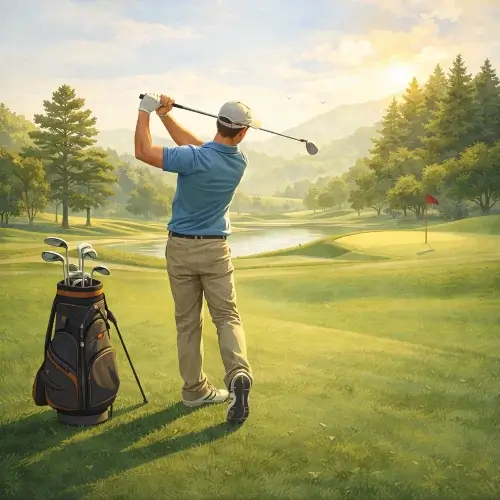
Golf is a precision sport and lifelong hobby played on courses worldwide, where players use clubs to strike a ball into a series of holes in as few strokes as possible. Whether you're looking for fresh air, a social outlet, or a personal challenge, golf for beginners is more accessible than you might think.
Golf at a Glance
- Origin: Scotland, 15th century — golf's rules were first codified at St Andrews in 1754
- Governing bodies: The R&A (international) and the USGA (United States & Mexico)
- Global participation: Approximately 66 million people play golf worldwide, according to the R&A's 2023 Golf Around the World report
- Standard course: 18 holes; par typically ranges from 70 to 72
- Max clubs allowed: 14 per round, as set by the Rules of Golf
- Beginner start-up cost: $200–$500 for basic equipment and first rounds
- Physical demand: Low to moderate — suitable for all ages and fitness levels
What Is Golf and Why Is It Such a Popular Hobby?
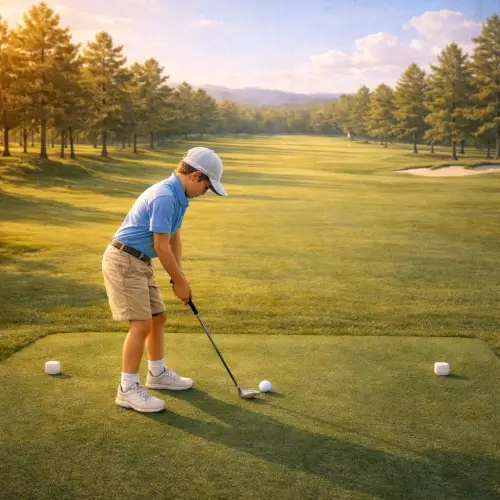
Golf is an outdoor sport and hobby in which players use a set of clubs to hit a small ball from a starting point — called a tee — into a series of holes across a course, aiming to complete each hole in the fewest strokes possible. A standard round covers 18 holes, though 9-hole courses are widely available and popular with beginners. The total number of strokes is compared against a benchmark called par, and the player with the lowest score wins.
According to the R&A's 2023 participation report, golf is played in over 200 countries, with more than 38,000 golf courses globally. The sport has seen a notable resurgence in younger players since 2020, with participation among under-35s growing steadily worldwide. What makes golf particularly appealing as a hobby is its flexibility: you can play competitively, socially, or completely solo, and the game rewards consistent improvement over time rather than raw athleticism.
HobbyZHQ covers golf as part of our Fitness, Sport & Movement category, where you'll find more sports and activities that get you outside and active.


How Do I Get Started with Golf as a Beginner?
Getting started with golf for beginners is straightforward when you break it down into clear steps. You don't need to own clubs or know all 34 rules before you set foot on a course.
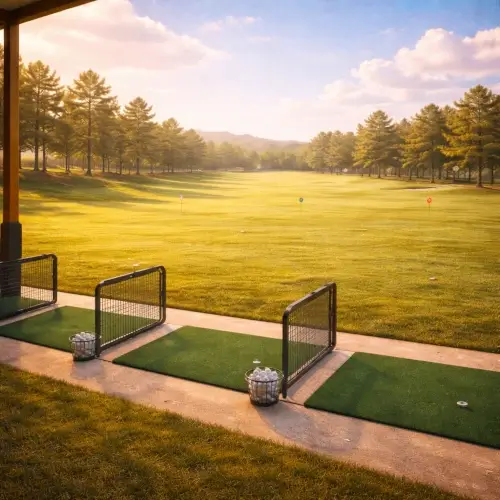
- Visit a driving range first. Before booking a tee time, spend a session or two at a local driving range. This lets you hit balls, get a feel for the clubs, and build basic confidence without the pressure of a full round. Most ranges rent clubs, so you don't need to buy anything yet.
- Book 3–5 beginner lessons with a PGA professional. A qualified coach will teach you grip, stance, posture, and a repeatable swing. Poor fundamentals are the single biggest barrier to improvement, and early lessons prevent bad habits forming. The PGA and R&A both offer beginner-friendly programmes and lesson-finder tools on their websites.
- Learn the basic rules and etiquette. Golf has a formal code of etiquette — keeping quiet during other players' shots, repairing divots, and maintaining a good pace of play. The USGA and R&A publish a free beginner-friendly rules summary at usga.org and randa.org.
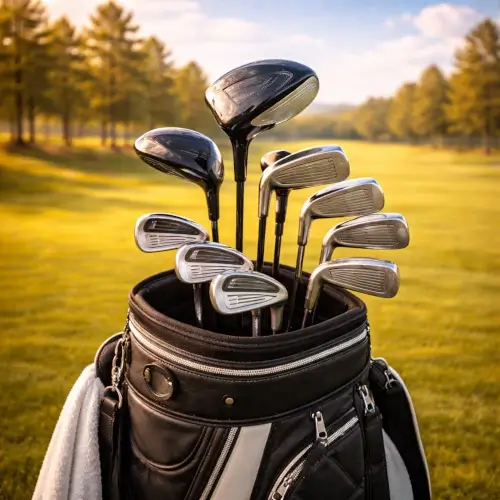
- Buy or borrow a starter set of clubs. You need no more than 7–9 clubs to start: a driver, a fairway wood or hybrid, irons 6–9, a pitching wedge, and a putter. Second-hand sets from brands like Callaway, Wilson, or Ping are widely available and a cost-effective way to begin. See our best golf clubs for beginners guide for specific recommendations.
- Play your first round on a par-3 or 9-hole course. Shorter courses are less intimidating, faster to complete, and ideal for beginners building confidence. Many clubs offer 'pay and play' access without requiring membership.
- Register for an official handicap. Once you've played a handful of rounds, register with your national golf authority for an official World Handicap System (WHS) handicap. A handicap lets you compete fairly with golfers of any ability and tracks your progress over time.
- Consider joining a local club. Membership offers regular access to a course, structured competitions, and a ready-made community. Many clubs have dedicated beginner memberships or off-peak rates that keep costs manageable. Our complete golf cost guide breaks down exactly what to expect.
What Equipment Do I Need to Play Golf — and How Much Will It Cost?
Golf equipment costs vary widely depending on whether you buy new or second-hand. The table below compares what a beginner and intermediate golfer typically needs, with approximate prices in USD. For a full breakdown of every cost involved in taking up golf, see our dedicated how much does golf cost guide.
| Item | Beginner (Budget) | Intermediate (Mid-Range) |
|---|---|---|
| Club set (7–9 clubs) | $100–$190 (used) | $380–$750 (new, brand-name) |
| Golf bag | $40–$65 (stand bag) | $100–$190 (premium stand or cart bag) |
| Golf balls (dozen) | $15–$20 (distance balls) | $30–$65 (tour-performance balls) |
| Golf shoes | $50–$90 (waterproof spikeless) | $125–$230 (spiked, FootJoy or Ecco) |
| Glove | $10–$15 | $20–$30 |
| Tees & accessories | $6–$13 | $20–$40 (GPS watch or rangefinder) |
| Green fees (per round) | $20–$30 (public/pay-and-play) | $40–$75 (private or premium course) |
| Estimated total (starter) | $240–$420 | $700–$1,400+ |
Annual club memberships typically range from $500 to $1,900 depending on the club's prestige and location. Many municipal and public courses offer unlimited annual passes for $380–$630, making golf far more affordable than its reputation suggests.

Is Golf Hard to Learn? Top Tips for Beginner Golfers
Golf has a reputation for being difficult, but most beginners make much faster progress than they expect. The key is focusing on the right things early on.
- Prioritise contact over distance. Hitting the ball cleanly and consistently is more important than hitting it far. A 150-yard shot that lands on the fairway is worth far more than a 220-yard drive in the rough.
- Master the short game first. Around 60–65% of all golf shots happen within 100 yards of the hole. Spending time on chipping and putting returns faster score improvements than hours on the driving range.
- Use a lighter grip pressure. Gripping the club too tightly is one of the most common beginner mistakes. Aim for a pressure of around 4–5 out of 10 — firm enough to control the club, relaxed enough to allow a fluid swing.
- Play the correct tees. Most courses have forward tees designed for beginners and higher-handicap players. Playing from appropriate tees makes the game more enjoyable and keeps pace of play brisk.
- Play ready golf. Rather than waiting for the furthest player to always go first, ready golf encourages playing when it's safe to do so. It speeds up rounds and is widely accepted in recreational play.
- Keep a shot diary. Note which clubs you hit well and which situations caused trouble. Over time, patterns emerge that help you understand your game and target practice more effectively.
- Watch free instruction on YouTube. Channels run by PGA coaches such as Me and My Golf, Rick Shiels, and Pete Styles offer structured beginner series at no cost.
What Are the Benefits of Playing Golf as a Hobby?
Golf offers a broad range of physical, mental, and social benefits that make it one of the most rewarding long-term hobbies available to adults of all ages.
- Physical activity: An 18-hole round involves walking 4–6 miles. A 2019 study published in the British Journal of Sports Medicine found that regular golfers had a 40% lower mortality risk compared with non-golfers.
- Mental wellbeing: Time spent on the course reduces cortisol levels and promotes mindfulness. The combination of outdoor exposure, social interaction, and strategic thinking makes golf a well-rounded stress reliever.
- Social connection: Golf is one of the few sports that allows people of very different ability levels to compete together through the handicap system, making it easy to play with friends and family regardless of experience.
- Low injury risk: Compared with higher-impact sports, golf carries a low risk of acute injury, making it accessible to older adults and those recovering from physical conditions.
- Lifelong skill development: Unlike many sports where performance peaks early, golf rewards a lifetime of accumulated skill and course knowledge. Many amateur golfers play well into their 70s and 80s.
- Professional networking: Golf is widely used as a business networking tool. According to a 2022 Forbes survey, 93% of C-suite executives in the US play golf, and 80% said golf had directly contributed to building business relationships.
Who Is Golf Best Suited To?
Golf is one of the most inclusive sports in the world. Its handicap system means a 20-handicapper and a scratch golfer can compete on equal terms, and the range of course types — from short par-3 tracks to championship links — means there is always a suitable venue for your current ability level.
Golf is particularly well suited to people who enjoy outdoor settings and self-paced improvement, those who want a social hobby with a formal structure, adults seeking a low-impact sport they can maintain as they age, and individuals who enjoy strategy and problem-solving (golf courses are never the same twice). Juniors also benefit enormously — the R&A's 2023 report found that junior participation has grown in every major golfing region globally over the past five years.

Frequently Asked Questions About Golf for Beginners
How much does it cost to start playing golf?
Getting started with golf for beginners typically costs between $200 and $500. A beginner club set runs $100–$250, a bag costs $40–$100, balls $15–$25 per dozen, and green fees average $20–$45 per round. Buying second-hand clubs from brands like Callaway or TaylorMade can significantly reduce upfront costs. See our complete golf cost breakdown for a detailed first-year budget.
How long does it take to learn golf?
Most beginners can learn the basic rules and swing fundamentals within 5–10 lessons and a few months of regular practice. Reaching a handicap of 28 or below — considered respectable for casual play — typically takes 1–2 years of consistent effort. Golf is a lifelong pursuit; even experienced players continue to refine their technique and course management skills.
Do I need lessons to start playing golf?
Lessons are not strictly required, but they are strongly recommended. A qualified PGA professional can identify grip and posture issues early that, if left uncorrected, become hard habits to break. Even 3–5 group lessons at a local club or driving range can save beginners months of frustrating self-teaching. The PGA and R&A both offer beginner-friendly programmes and lesson-finder tools for new players worldwide.
What is a good score for a beginner golfer?
For a beginner golfer, breaking 120 on an 18-hole course is a solid early benchmark. Par for most courses is 72, so 120 means averaging roughly two strokes over par per hole. As skills develop, many recreational players aim for scores in the 90–100 range. The World Handicap System (WHS) allows golfers to track their official handicap index as they improve.
How many clubs do beginner golfers need?
Rules permit a maximum of 14 clubs per round, but beginners do not need that many. A practical starter set includes a driver, a 5-wood or hybrid, irons (6, 7, 8, 9), a pitching wedge, and a putter — roughly 7 to 9 clubs in total. This covers every common situation on the course without overwhelming new players with too many choices.
Golf Guides & Resources
Go deeper on golf with our growing library of beginner guides, gear reviews, and technique articles.
Best Golf Clubs for Beginners (2026)
Top-rated sets from Callaway, TaylorMade, STIX and more — compared by price, forgiveness, and what's actually included.
Best Golf Balls for Beginners (2026)
Top picks from Titleist, Callaway, Srixon and more — compared by compression, cover type, price, and what actually suits a beginner's swing.
How Much Does Golf Cost? (2026)
A complete cost breakdown for new golfers — clubs, green fees, memberships, lessons, and gear, with three realistic first-year budgets.
Best Budget Golf Sets (2026)
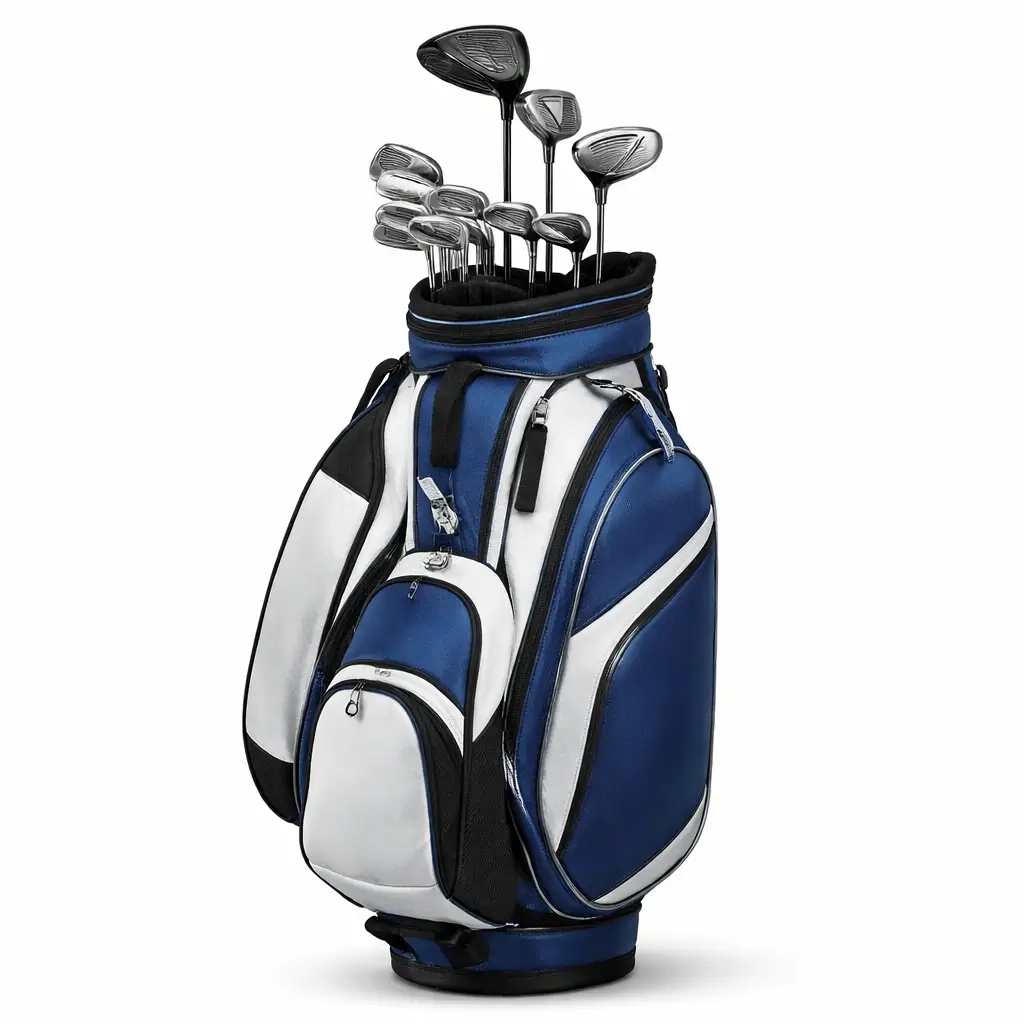
The top complete golf sets under $400 — from Callaway Strata and Wilson Ultra to quality used clubs, with honest advice on what you get at each price tier.
Best Golf Rangefinders (2026)
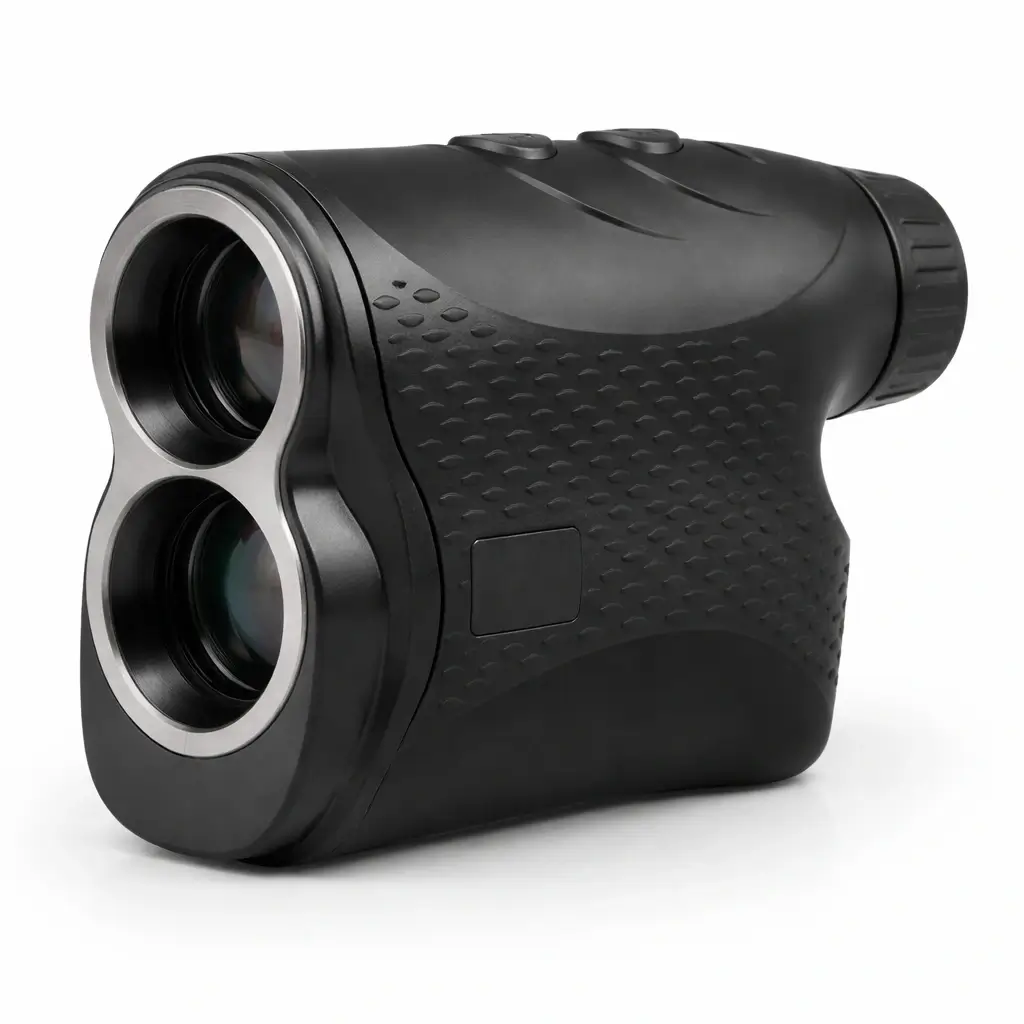
Top laser and GPS models from Bushnell, Garmin, Callaway and more — compared by accuracy, slope compensation, price, and what actually matters on the course.
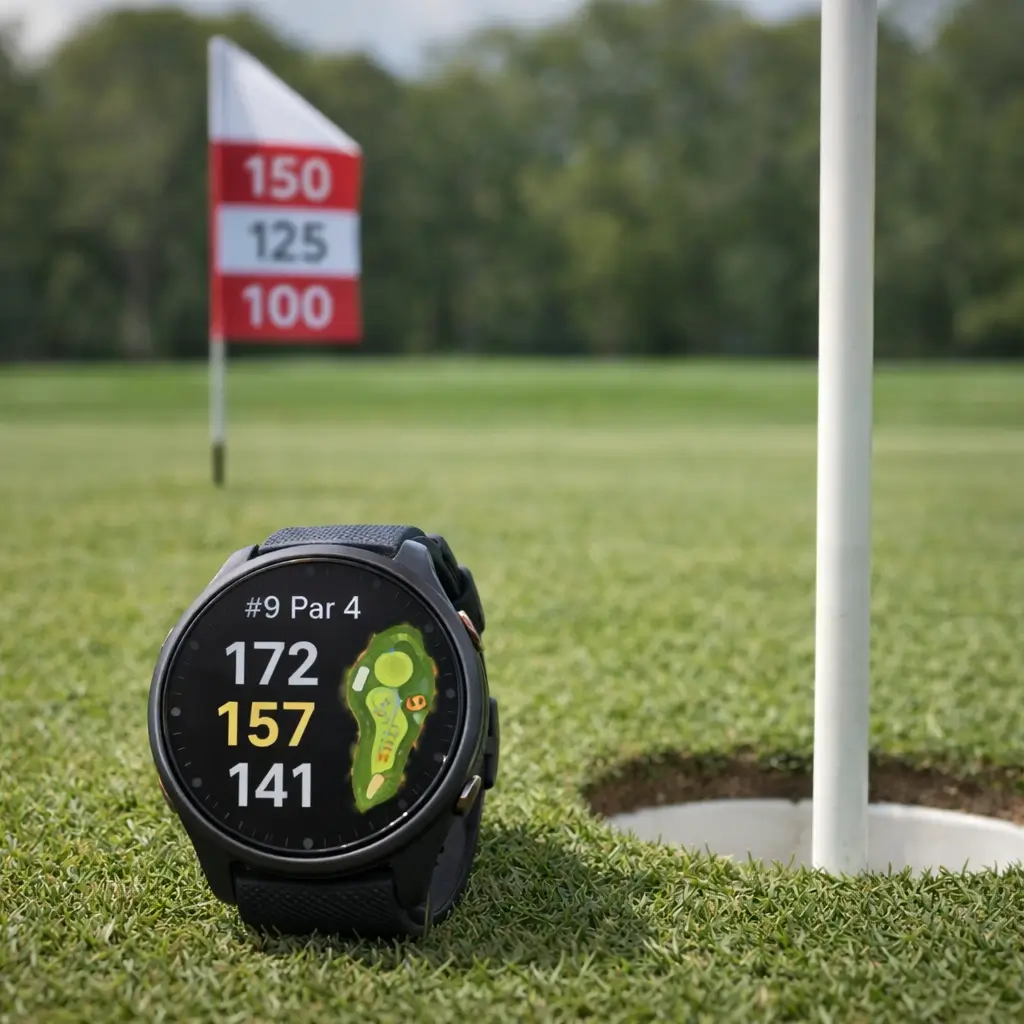
Best Golf GPS Watches (2026)
Top models from Garmin, Bushnell, and Shot Scope — compared by accuracy, battery life, course coverage, and whether shot tracking is worth it for your game.
You May Also Be Interested In
Fitness, Sport & Movement
Browse all sports, fitness pursuits, and active hobbies — from team games to solo challenges.
Explore category
Outdoor & Nature
Discover hobbies that take you outside — from birdwatching and foraging to camping and beyond.
Explore category
Hiking
Like golf, hiking rewards patience and time spent outdoors. A natural companion hobby for any golfer.
Read the guide